
AHWNI encourages: Protect your flock- Pre-lambing vaccinations
Why pre-lambing vaccination matters?
For flocks lambing in the next 4-6 weeks, now is the time to begin vaccinating in-lamb ewes.
For those still a few months off, it’s worth deciding which vaccines you’ll need so you can order in good time and avoid a last-minute scramble if supplies run short.
Pre-lambing vaccination is essential to protect lambs against clostridial diseases and pasteurellosis. Lambs are born with no natural immunity, so boosting antibody levels in the ewe allows high-quality colostrum to pass on that early protection.
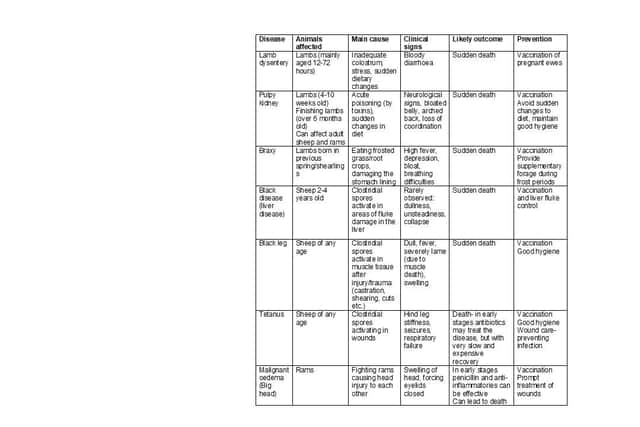

Clostridial diseases and pasteurellosis remain the most common causes of sudden death in sheep, with treatment mainly ineffective. Therefore, vaccinating pre-lambing is the first- and
often the only - line of defence. Clostridial Diseases
Clostridial diseases are caused by toxins produced by several related bacteria (called Clostridia) that are often found in the environment. They can persist in the environment by producing spores that can be ingested by animals.
Pasteurellosis
This disease is caused by bacteria that are normal residents of tonsils and the upper respiratory tract, however, if an animal is subjected to stress, the immune system can fail to stop these bacteria from multiplying and causing disease. Disease can occur either as an acute pneumonia, or as septicaemia (systemic pasteurellosis) due to bacteria passing into the bloodstream.
Vaccination top tips
Vaccination for these diseases is essential due to the lack of treatment options and lack of clinical signs before sudden death. However, the vaccine must be administered correctly for it to be effective.
- Don’t vaccinate too early (antibody levels will have dropped by lambing) or too late (antibodies won’t have had sufficient time to develop). The standard is 4-6 weeks pre-lambing (check product data sheet).
- Group ewes by lambing date- vaccinating later lambers at the same time as early lambers may miss the correct time frame for the late group.
- Allow sufficient time before lambing if boosters are required- first time lambers that are unvaccinated or have an unknown vaccine status will need two vaccinations 4-6 weeks apart (check product data sheet), and boosters for previously vaccinated ewes should be given pre-lambing, according to the data sheet recommendations of the product being used.
- Store and handle vaccines properly- ensure they are kept in the fridge and away from direct sunlight; incorrect storage could mean the vaccine is ineffective.
- Ensure you are using the correct injection technique - read the product instructions to ensure the vaccine is being administered by the correct route and site.
- Avoid vaccinating wet sheep - this increases the chance of contamination of the injection area, causing abscesses.
- Don’t vaccinate stressed or sick ewes- in these cases immune system response is reduced due to stress.
Vaccinate now and protect your flock
Combined clostridial and pasteurella vaccines are widely used in Northern Ireland and provide protection against multiple clostridial diseases, as well as pneumonic and systemic pasteurellosis. Some vaccines offer broader clostridial cover, while others protect against fewer clostridial diseases and may be more appropriate for finishing lambs that are at lower risk of conditions such as lamb dysentery.
The cost of losing animals to clostridial disease is far greater than the cost of vaccinating.
Make sure your flock is protected this year.