
Contractual weaknesses blamed for £10.8m vehicle testing equipment deal failure
Contractual weaknesses have been blamed for the failure of a £10.8 million Driver and Vehicle Agency deal for vehicle testing equipment.
A report by Northern Ireland’s auditor general, Dorinnia Carville, also identifies weaknesses in the procurement process and has urged that lessons be learned across the public sector.
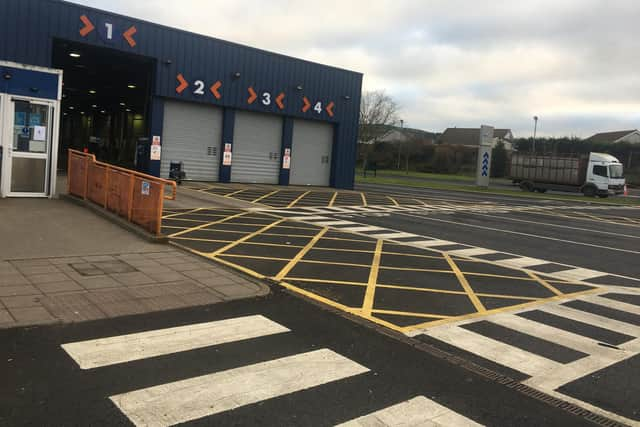

Her office investigated the ill-fated contract awarded by the DVA in March 2019, supported by the Department of Finance’s Construction and Procurement Delivery (CPD) for vehicle testing equipment and associated IT equipment.
A legal challenge followed when DVA notified the contractor it intended to terminate the contract in 2022.
A negotiated settlement in April 2025 led to the ending of the contract, but without delivering any of its intended outcomes.
A replacement contract was awarded in March 2026, and delivery of the new testing solution is expected in 2029.
The Audit Office report said that the failure of the 2019 contract was estimated at £5.1 million in terms of spend on the procurement, management and attempted delivery of the contract.
This includes a payment of £1.5 million as part of the settlement agreement in respect of costs that had been incurred up to that point by the contractor, and a further £3.6 million of staff and other costs incurred by DVA through the life of the contract.
The report identifies weaknesses in the procurement process. It found that the successful tender was priced at £10.8 million, 53% lower than the only other compliant bid and 40% below the DVA’s business case estimate.
Further checks were undertaken, but these were found to have not provided sufficient assurance that the proposed solution could be delivered at the price quoted.
The report also highlighted limited scrutiny of the proposed IT solution, which subsequently became a major source of disagreement between the DVA and the contractor.
The report found that while DVA first attempted to terminate the contract in 2022, weaknesses in the contractual arrangements, particularly the absence of clear and enforceable delivery dates, contributed to the contractor successfully challenging this decision in the High Court.
After further delivery problems and a second attempt to terminate, the two parties reached a negotiated settlement in April 2025, which brought the contract to an end.
By March 2025, the DVA estimated that approximately £5.1 million had been incurred, including a £1.5 million settlement payment, without delivering the intended vehicle testing solution or operational improvements.
The failure has delayed planned improvements by more than four years, leaving the DVA reliant on temporary measures, including the use of temporary exemption certificates, to help manage testing demand.
A replacement contract, valued at approximately £46 million, was awarded in March 2026, and delivery of the new vehicle testing solution is expected to complete in mid-2029.
The report notes that direct comparison with the original £10.8 million contract is challenging because of changes including project scope, market prices, implementation assumptions and contract lifespan.
Ms Carville described a “missed opportunity to improve much-needed services, as well as a significant waste of public money”.
She said: “Despite extensive engagement and evaluation activity, the processes followed by the DVA and CPD did not provide sufficient assurance over whether the proposed tender could be successfully delivered in practice.
“In addition, once serious problems emerged, weaknesses in the contractual arrangements also made it more difficult to bring the contract to a timely conclusion.”
Ms Carville said it was vital that learning from the incident was shared.
She said: “I welcome the fact that both the DVA and CPD have identified lessons from the project, and there is evidence that these have been acted upon to improve subsequent procurement exercises.
“However, it is vital that learning is shared beyond these two organisations, particularly as today’s findings echo those in previous reports by the NIAO on the delivery of major IT projects.
“Given the significance of the issues identified, the cost to the public purse, and the continuing evolution of procurement legislation and guidance, it is important that lessons from this contract inform procurement and contractual practices more broadly.”