
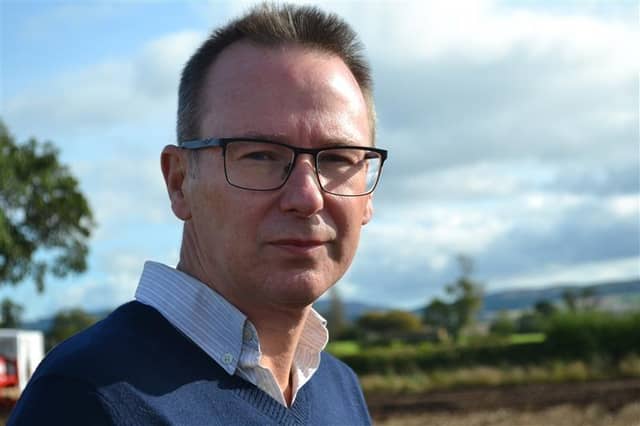

According to Scott Walker, the chief executive of GB Potatoes: “The humble potato may not make national headlines, but for Britain’s farmers and food system it has become emblematic of the pressures facing modern agriculture. For decades, the UK potato sector has been a reliable cornerstone of our food system. Affordable, versatile, and economically significant, potatoes have long been taken for granted. Yet growers, packers and processors have repeatedly faced periods of volatility, uncertainty, and sudden price shocks. None of these challenges are entirely new, but each successive crisis has chipped away at business resilience across the sector,” adds Scott.
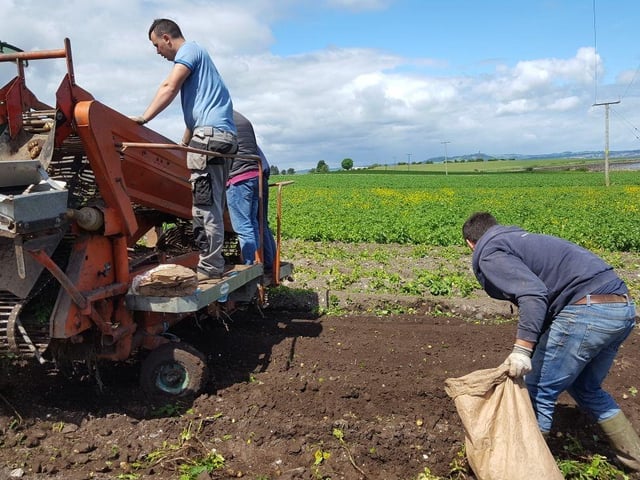
He continues: “Global and domestic pressures are acute and converging. The conflict in the Middle East has sent energy and fertiliser costs soaring. Labour and machinery costs continue to climb. Contract prices for potatoes have weakened this year and tighter margins throughout the supply chain are increasing commercial pressures for both growers and buyers. At the same time, depressed cereal markets provide little alternative income. For many, the cumulative effect has left growers exposed, vulnerable and questioning the viability of this season.
“The reality is stark. While cropping commitments for the current season are now largely in place, many growers will be considering how much exposure they are willing to carry into 2027 and beyond. While the sector has shown remarkable resilience over many years, resilience itself is not unlimited. Without confidence and sustainable returns, there is a risk of gradual but permanent contraction in a sector that underpins more than £4.5 billion of economic activity and plays an important role in UK national food security.”
Yet amid these challenges, there remains cause for cautious optimism. Health and reducing reliance on costly inputs, innovation and practical policy frameworks will be central to securing the future of the industry.
“The UK potato industry has the potential to grow in value, underpinned by smarter technologies, science-led production practices, and evolving consumer demand. Realising the potential will require greater alignment between government policy, research investment, and supply chain innovation,” he adds.
Through decisive action, partnership, and innovation, the UK potato industry could emerge stronger, more resilient, and better positioned to deliver for growers, consumers, and the nation.
“The potato, long taken for granted, may yet prove a barometer for the broader challenges and opportunities confronting British agriculture in the twenty-first century. The coming months will test resolve, ingenuity, and leadership — and those who act decisively now will shape the future of Britain’s most essential and favourite crop, and the sector, for decades to come,” adds Scott.
Taking place in Comber Leisure Centre Carpark, the free, family-friendly Comber Earlies festival celebrates the iconic Comber Earlies potato, which has held Protected Geographical Indication (PGI) status since 2012. The event brings together food lovers, families and visitors for a vibrant day showcasing local produce, culinary talent and community spirit.
Comber Earlies Food Festival is funded by the Department of Agriculture, Environment and Rural Affairs Northern Ireland Regional Food Programme and promoted by food body FoodNI.
Festival-goers can look forward to a packed programme including live cookery demonstrations in the Festival Kitchen from guest and local chefs, an artisan food and drink market, vintage tractor displays, live music and hands-on activities for all ages. Family entertainment will be at the heart of the day, with children’s crafts, planting activities, walkabout performers and the return of popular festival favourites.
Speaking ahead of the event, the Mayor of Ards and North Down, Councillor Gillian McCollum, says: “The Comber Earlies Food Festival is a fantastic celebration of one of our most iconic local products and the people who grow it. Events like this showcase the strength of our local food and drink sector, while creating a fun, welcoming day out for families and visitors alike. I’m delighted to see the festival return once again as part of Taste Summer in Ards and North Down.”
To help visitors travel to the event sustainably and with ease, free Event Shuttle Buses will operate on the day, connecting Bangor, Newtownards, Dundonald Park and Ride, Downpatrick, Crossgar, Saintfield and Ballygowan with Comber. No booking is required and the service operates on a first-come, first-served basis.
The Comber Earlies Food Festival forms part of Taste Summer in Ards and North Down, a wider programme of food-focused events and experiences taking place across the borough throughout June, celebrating local producers, hospitality businesses and the area’s rich food culture.
New for 2026, a quiet hour will be introduced from 10am–11am each day, welcoming people with a disability, neurodiverse conditions, carers and parents/guardians. After this quiet hour, the event will officially open at 11am with a fun-filled programme running through to 5pm.
1. Scott Walker, chief executive of GB Potatoes
Scott Walker, chief executive of GB Potatoes Photo: Freelance
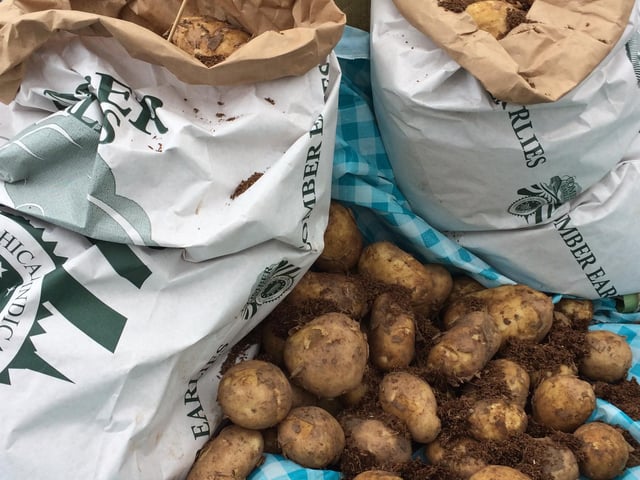
2. Comber Earlies are now appearing in the shops
Comber Earlies are now appearing in the shops Photo: Freelance
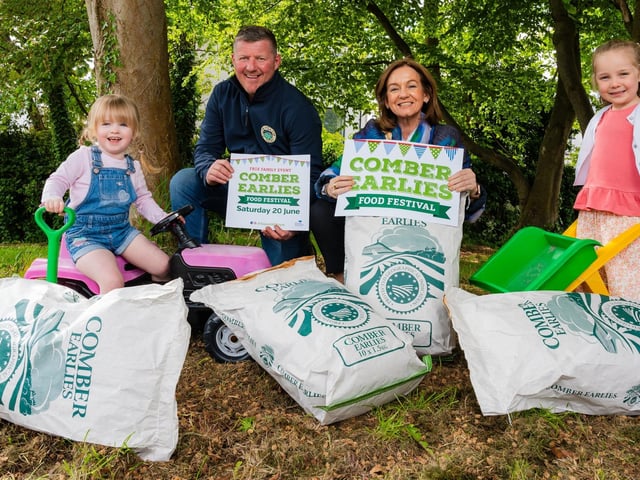
3. Mayor of Ards and North Down, Councillor Gillian McCollum, Richard Orr, Chairman of Comber Earlies Growers' Cooperative, Luna and Lily are all looking forward to Comber Earlies Food Festival, 20 June, 11am – 5pm.
Mayor of Ards and North Down, Councillor Gillian McCollum, Richard Orr, Chairman of Comber Earlies Growers' Cooperative, Luna and Lily are all looking forward to Comber Earlies Food Festival, 20 June, 11am – 5pm. Photo: Freelance
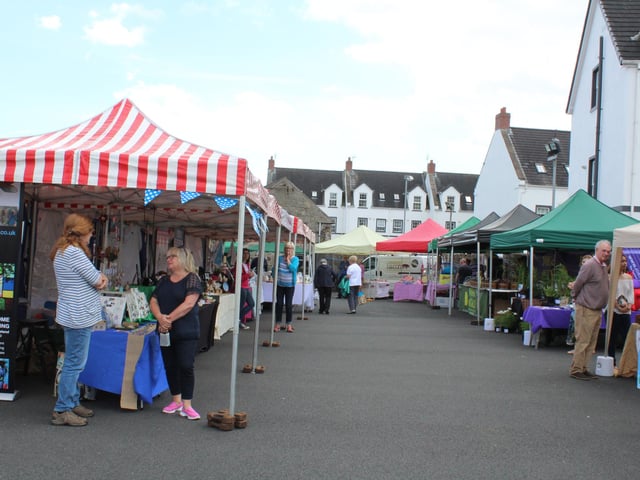
4. Comber Festival is a colourful food event
Comber Festival is a colourful food event Photo: Freelance