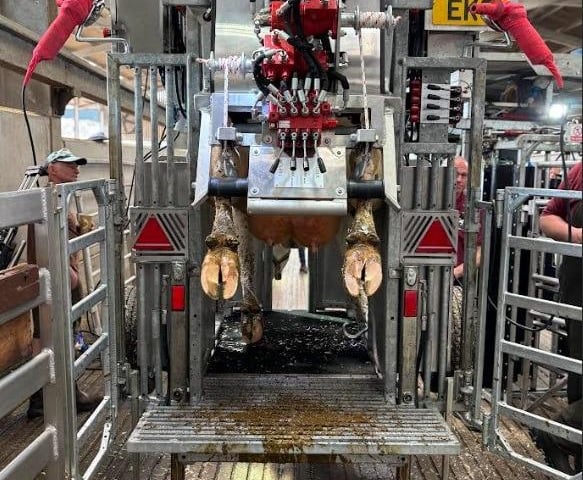

But here’s the truth: lameness is quietly costing Northern Irish farmers thousands of pounds a year. And it’s more common, and more expensive, than most realise.
1 in 4 cows are lame - Often without you noticing
Across the UK, research shows that roughly 1 in 4 dairy cows are lame at any given time. On some farms, that figure climbs to 1 in 3.
And it’s not always the cow that’s hobbling badly. Lameness often starts subtly: a cow that’s slower to rise, hanging back at milking, or putting more weight on one
side. These early signs are easy to miss—but they still cost you
The real cost: Over £3 per day, per cow
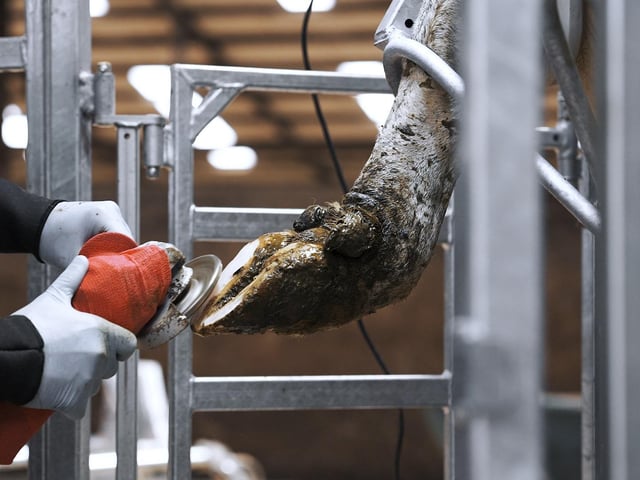
According to updated figures from AHDB, the average lame cow costs around £3.30 per day. That adds up to:
- £23 per week
- Over £170 in six weeks
- £1,650 for 10 cows in a single month
Why so expensive? Lame cows eat less, produce less milk, take longer to get back in calf, and are more likely to leave the herd early.
In fact, lameness is one of the leading reasons cows are culled earlier than they should be.
Do the maths on your own herd
Let’s say you’ve got 200 cows. If even 25% are lame (and that’s conservative), you’ve got 50 cows limping around at some level.
50 cows × £3.30/day × 365 days = £60,225 a year.
That’s profit walking out the door - literally.
Lameness affects more than just feet
- Milk yield drops – up to 500 litres lost per cow per lactation
- Fertility suffers – lame cows take longer to get in calf, adding weeks to your calving interval
- Labour increases – fetching slow cows, treating problems, managing repeat cases
- Culling rises – hoof problems are one of the top three reasons cows are culled early
So, what can you do?
The good news is: lameness is one of the most preventable problems on a farm.
Small changes can make a big difference.
Here’s where to start:
1. Keep an Eye on Mobility
2. Trim Routine, Not Just Reactive
3. Improve Tracks and Yards
4. Footbath Effectively
5. Keep Records
Why it matters now
Milk prices go up and down. Feed costs rise. But preventing lameness is something you can control, and the savings add up quickly.
It’s not just about keeping cows comfortable (though that matters too). It’s about getting more milk in the tank, fewer fertility problems, and fewer cows leaving the
herd early.
And in a year where every penny counts, that’s a win worth walking toward.
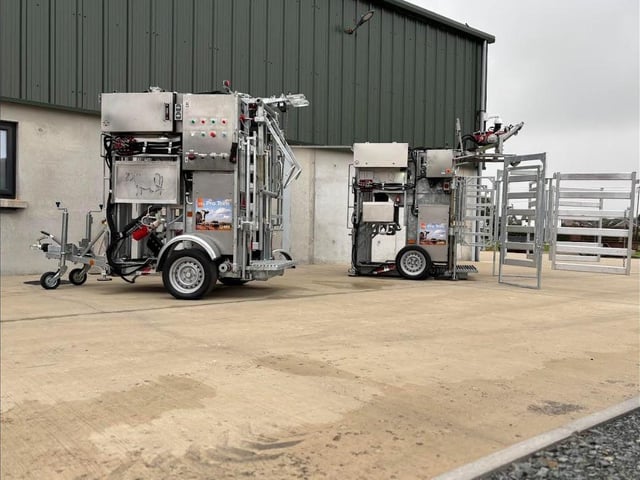
Eko Hoofcare works with farmers across Northern Ireland to keep cows on their feet and profits in the business. From expert advice to equipment and training, we’re here to help you put hoof health first.
Call or email us today – ROI 086 3627146 NI 078 4587 6633 Email: [email protected]
1. eco 2.jpg
Eko Hoofcare works with farmers across Northern Ireland to keep cows on their feet and profits in the business. Photo: freelance
2. DJI_20240808100602_0031_D.00_03_13_00.Still024.jpg
The average lame cow costs around £3.30 per day. Photo: freelance