
Lantra training - Arm mounted cutting equipment
With hedge cutting restrictions lifted from 1 September, farmers and agricultural contractors are preparing for one of the busiest periods of the year for roadside hedge and tree management, but safety remains a key consideration.
Hedge cutting plays an important role in maintaining Northern Ireland’s rural road network. Overgrown hedges can restrict visibility at junctions and farm entrances, obscure traffic signs and obstruct pedestrians, creating hazards for road users.
DAERA has previously reminded landowners that they are responsible for ensuring roadside hedges do not obstruct vehicles or pedestrians or interfere with drivers’ views.
However, hedge maintenance also needs to be balanced with the protection of wildlife. Under DAERA Cross-Compliance rules, hedge, tree and scrub cutting is generally prohibited between March 1 and August 31 to protect nesting birds. Even once cutting resumes, operators should check for active nests and avoid disturbing wildlife.
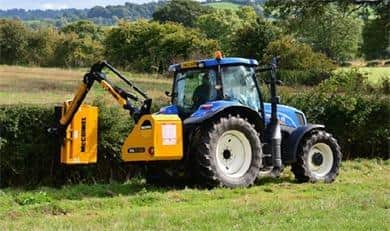

Arm-mounted cutting equipment involves powerful rotating machinery and can produce flying debris, while roadside operations introduce additional risks from passing traffic, pedestrians and cyclists. Uneven ground, poor visibility, livestock and mechanical failure can also increase the likelihood of an incident.
Lantra’s ‘Arm Mounted Cutting Equipment’ course covers legislation, risk assessment, PPE and safe operating practices, alongside practical training in machine controls and routine maintenance.
As the autumn cutting season gets underway, responsible hedge management will remain important in balancing the needs of road users, landowners and the wider rural environment.
n For further information visit www.lantra.co.uk.