
UFU says Fivemiletown review exposes serious failures in DAERA governance and accountability
The Ulster Farmers’ Union (UFU) has said the independent review into the Fivemiletown livestock culling operation has exposed serious failures in governance, oversight and decision-making within the Department of Agriculture, Environment and Rural Affairs (DAERA).
The UFU says the review identifies significant shortcomings in the planning, oversight and management of the operation, raising fundamental questions about departmental decision-making and the safeguards in place during major enforcement actions.
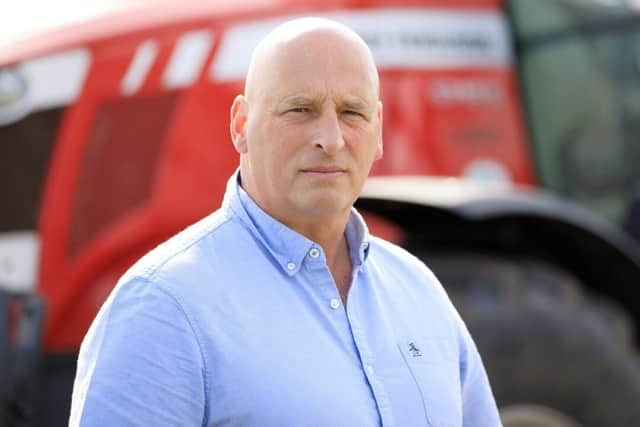

UFU president John McLenaghan said: “From the outset, the UFU made clear that the events at Fivemiletown required a thorough, transparent and independent examination of the decisions taken, the governance arrangements surrounding those decisions and the safeguards in place during such a significant enforcement operation.
“While we acknowledge the review's findings regarding the legal basis for the operation and the method of culling, its wider conclusions make for deeply concerning reading.”
The independent review identifies serious shortcomings in governance, operational planning, record-keeping, communications and the consideration of alternative approaches.
The UFU says that of particular concern is the finding that DAERA failed to adequately satisfy the fair balance element of the proportionality assessment. The review also highlights weaknesses in animal tracking, operational recording and the absence of sufficiently formalised procedures for implementing deprivation orders.
Mr McLenaghan continued: “These are not simply administrative failings. They raise fundamental questions about decision-making, accountability and the standards of oversight within DAERA.
“Many of those issues reflect concerns that the UFU raised directly during the review process, particularly the need for greater scrutiny of significant decisions, proper consideration and documentation of alternatives, clearer senior oversight and stronger safeguards around future enforcement operations.
“These findings also reinforce the wider concerns about governance, leadership and accountability that have contributed to the breakdown in confidence between the farming community and DAERA.
“Farmers are expected to meet rigorous standards of compliance, transparency and record-keeping, and it is only right that the Department responsible for enforcing those standards is held to the same level of scrutiny.”
DAERA has accepted all ten recommendations made in the independent review and published an action plan outlining delivery timelines, governance structures and oversight arrangements. The Minister has also committed to monitoring implementation and reporting on progress.
However, the UFU has stressed that accepting recommendations is only the beginning and that meaningful reform must now follow without further delay.
Mr McLenaghan said: “We acknowledge the commitments made by DAERA, but accepting recommendations and publishing another ‘action plan’ will not, on their own, restore confidence.
“The real test will be whether the Department delivers meaningful reform, supported by clear accountability, measurable outcomes and transparent reporting. Farmers need to see tangible evidence that the shortcomings identified in this review are being addressed and that the same failures will not be repeated.”
Mr McLenaghan added: “There are also wider proposals within the report concerning early intervention, farmer support and the animal welfare enforcement framework which require careful consideration. The UFU must have the opportunity to engage fully in that work to ensure the experiences of farmers and private veterinary practitioners are properly reflected.
“This has been a difficult episode for our industry. The farming community rightly expects the highest standards of animal welfare, but it also expects enforcement decisions to be proportionate, accountable and supported by robust safeguards. Our priority now is making sure the lessons identified in this report genuinely change how future cases are handled.
“There will now be an opportunity for the AERA committee to scrutinise these findings and we will welcome the opportunity to engage with them.”
Mr McLenaghan concluded: “The UFU's concerns have not been resolved by the publication of this report. Indeed, many of its findings reinforce why those concerns were raised in the first place.
“The farming community will judge DAERA not by the recommendations it accepts on paper or the promises it makes, but by the visible change it delivers.
“The Department cannot demand the highest standards of accountability from farmers without demonstrating those same standards itself. Restoring confidence will require more than words. It will require real leadership, accountability and meaningful reform.”
The UFU says it will now review the independent report and DAERA’s action plan through its committee structures.