
Farming cattle in a low-input, regenerative way isn’t a concept that sits easily with many farmers here, my dad being one of them. And being a beef farmer who thinks we should be eating less meat? That’s even rarer!
However, despite some of my opinions being different from mainstream thinking, the way I farm also fills me with optimism and hope for the future - something increasingly precious in a farming environment surrounded by doom and gloom.
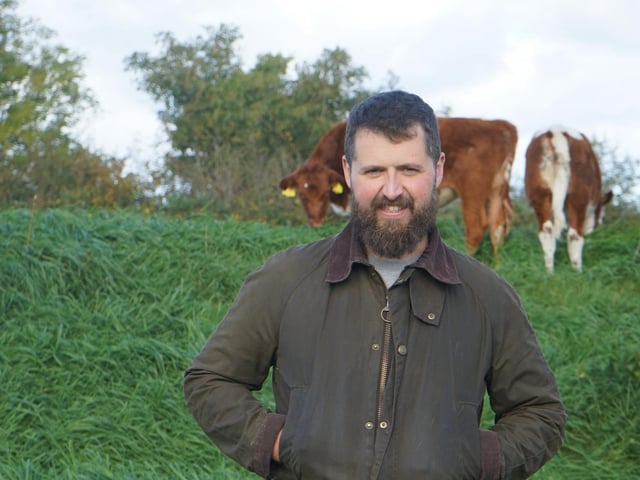
My brother Nigel and I grew up in a farming family, but the farm wasn’t passed down to my dad. So, I headed to London, where I spent a decade working as a property investment analyst. Over time, though, I got tired of the city rat race and longed to return home. The grass definitely did seem greener on the other side of the Irish Sea. So, when the opportunity came up to buy a smallholding close to home, I knew I had to do whatever it took to snap it up.
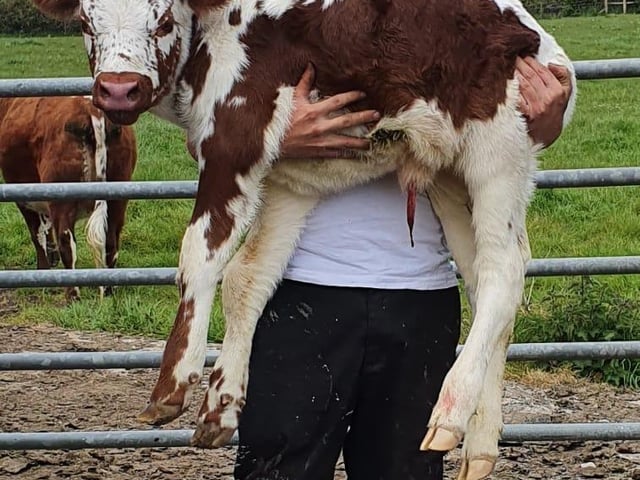
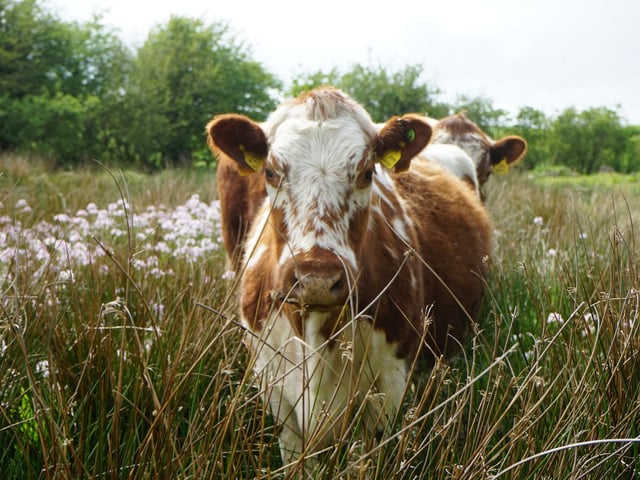
That was four years ago. Since then, Nigel and I have gone from zero to looking after a herd of 30 Irish Moiled cattle. Also known as the Moilie, the Irish Moiled is a rare native breed perfectly suited to a nature-friendly system. They are hardy, thrive on marginal ground, calve easily, have an excellent temperament and produce delicious marbled meat without the need for meal or expensive silage.
The first time we came across the term ‘regenerative agriculture’ was in 2023, when we attended Groundswell in England. We left excited, inspired and desperate to see something similar happening in Northern Ireland.
Then I came across NextGen ReGen, a three-year leadership programme designed to empower Northern Ireland’s next generation of regenerative farmers. I was accepted and attended a five-day residential course with 20 other farmers - the perfect incubator for ideas and the start of a close-knit regenerative agricultural community.
Then came Fields Good, Northern Ireland’s first regenerative agriculture festival. There I connected with the Nature Friendly Farming Network (NFFN) along with other like-minded farmers working in a similar way to us. For the first time, we truly felt part of a community dedicated to doing things differently.
I felt so privileged to be here at the start of the regen ag journey in Northern Ireland. Walking around Groundswell 12 months earlier, I had assumed something like this could never happen at home, and yet a year on I was attending one.
At the start of this year, I travelled to the Oxford Real Farming Conference (ORFC) to speak about NextGen ReGen as part of a panel showcasing amazing food stories from Northern Ireland.
So many agricultural headlines are negative: concerns over the inheritance tax, backlashes against agri-environment schemes in England and Wales, and the sudden closure of the Sustainable Farming Incentive (SFI) scheme in England. Add to that all the other issues farmers face - from poor supply chain prices to the volatile weather patterns we’re experiencing - and farming can feel like an uphill battle.
But regenerative farming events feel different. At Fields Good, the atmosphere was so positive and exciting. At ORFC, I attended so many thought-provoking, informative sessions.
Our own panel gave me such a buzz, sitting alongside so many of my new connections in the regen world and enjoying the audience interaction. It gives you real hope that farming has a bright future, even if the journey there will have its challenges.
Looking forward, I hope that this buzz around the growing movement of regenerative, nature-friendly farmers in Northern Ireland starts to resonate with more consumers. In recent years, the link between people and what they eat has been lost. We need to reconnect the public with where their food comes from.
Every decision about what goes in the shopping basket is, in effect, a vote for a style of farming. It would be great to see consumers expressing a desire for more regeneratively-reared produce and driving an increase in demand.
We are doing our bit with our Mountstewart Moiled herd, supplying a supper club in Bangor with our beef, with plans to expand to another one in Belfast. It would be great to see more local, sustainably produced food on the menus of our cafes, restaurants and pubs.
As consumers, we should be asking if the places we visit support local producers - and if not why not? If you’re eating meat, ask where it comes from, what breed it is, and what kind of farming system produced it.
If we really want to support farmers implementing more regenerative practices, we all need to take food sourcing seriously and start asking more questions about what’s on our plate.
3. IMG_8462.jpg
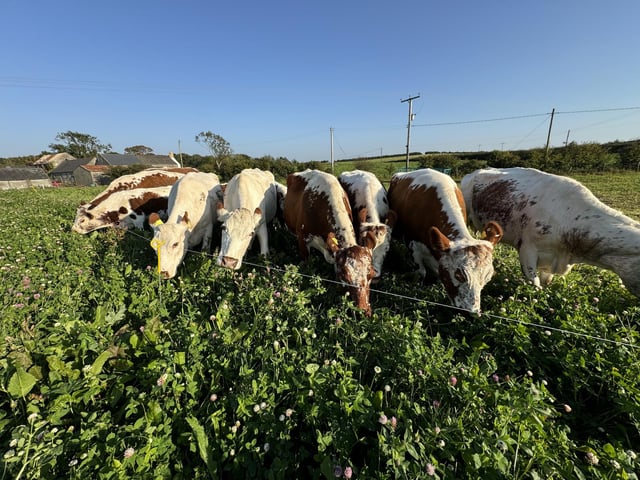
Cattle grazing in the smallholding's low-input, nature-friendly system Photo: freelance
4. DSC05938.JPG
The Irish Moiled is a native breed of cattle which thrives in nature-friendly farming systems Photo: freelance