
Wool prices increase by 10% in a single month
The last four weeks have seen wool prices increase by just short of 10%. This figure is based on auction returns secured by British Wool.
“And the outlook for the future is equally strong,” confirmed Ulster Wool chairman:
Brendan Kelly. “What we are seeing is an international strengthening of wool prices based, very much, on supply: demand factors.”
He continued: “Auction returns started to improve a number of months ago. And this trend is being reflected in the price available to Ulster Wool suppliers in their 2026 wool payments.”
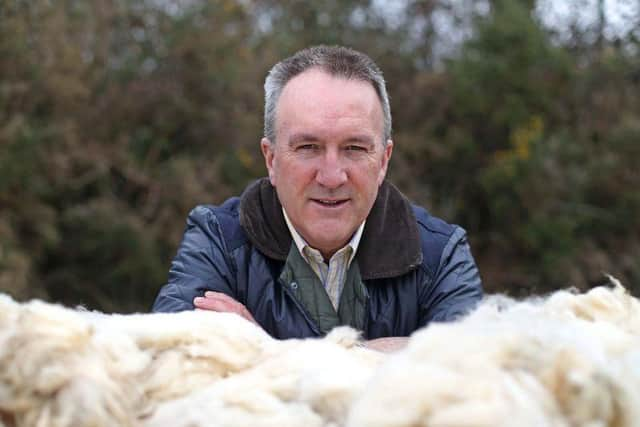

British Wool held its last auction of the 2025/26 season on June 9th. The event saw a high level of demand with competitive bidding between UK processors and export customers driving the market to a new level. The average price paid at the event for greasy wool was £1.852 per kg: an increase of 9.7% on the previous auction.
British Wool has less than 280 tonnes of the 2025 season wool clip left to sell. The majority of these lots will be offered in the first sale of the 2026/27 season, which is scheduled for 21st July.
May 1st represents the traditional start date of the wool season in Northern Ireland.
Brendan Kelly again: “Intake for the 2026 clip year has got off to a relatively slow start with cold and wet weather delaying shearing this season.”
This trend has been replicated across the UK with the result that British Wool expects its total offer in July to be around 1000 tonnes.
On the back of these very encouraging trends, the Ulster Wool chairman is encouraging all sheep farmers in Northern Ireland to contact the Ulster Wool depot at Muckamore before selling their wool in 2026.
Ulster Wool collects and grades 70% plus of the fleeces produced across Northern Ireland. And the co-op is committed to growing this figure.
Brendan Kelly further explained: “Wool is increasingly regarded as an elite quality, natural product with an intrinsically high value.
“And Ulster Wool Group’s unique relationship with British Wool is helping to make this a positive reality for local sheep farmers.”
Meanwhile, payments for 2025 wool deliveries are being made to sheep producers directly following receipt of their 2026 clips.
There are also signs that greater levels of North: South co-operation, where the marketing of wool is concerned, are on the cards.
Better co-ordinating Ireland’s wool output on an all-island basis could represent a win: win scenario for Irish sheep farmers.
Brendan Kelly again: “We need to look at issues of scale that will have a real impact on the prices flock owners receive for their wool.
“One of these is the grading of the fleeces sent to market. There is significant potential to grade additional wool at Ulster wool’s depot at Muckamore.”
Significantly, Kelly sees the Irish Wool Council as the organisation that can actively address the issues that lie at the heart of the Irish wool debate.”
He concluded: “Wool has such a tremendous story to tell. It is such a versatile and wholly natural fabric.
“This is in total contrast to the imagery associated with synthetic fibres and their specific link to micro plastic-related pollution of water courses.
“Yes wool is more expensive. But it represents tremendous value for money. It is also a carbon negative fibre.
“Carbon is the main chemical element contained in wool, which decomposes naturally in ways that enrich the environment.”