
Supporting Local: Fermanagh Fun Farm
As Fermanagh’s first ever fun farm, Fermanagh Fun Farm has become much more than a family attraction, bringing together animal welfare, education and community support all in one unique location. Since opening its gates in July 2019, it has welcomed thousands of visitors while creating opportunities for both rescued animals and young people.
Founder and manager Alan Anderson spotted a gap in the market for a fun farm attraction in Co. Fermanagh, prompting a dramatic career change from his days as a teacher in Scotland. He swapped the classroom for the countryside, embarking on a completely new venture that would go on to attract families from across the region.
Originally from Lisbellaw, Alan spent 20 years teaching in Scotland before deciding to pursue a very different path. Inspired by the idea of creating a family-friendly attraction in his home county, he returned to Fermanagh with a vision of building his own fun farm – a venture that would transform both his career and the local tourism.
“I had been on a school trip with my class to Almond Valley Farm outside Edinburgh and got the idea from this. I researched farm attractions and discovered Fermanagh was the only county in Northern Ireland not to have a fun farm attraction.”
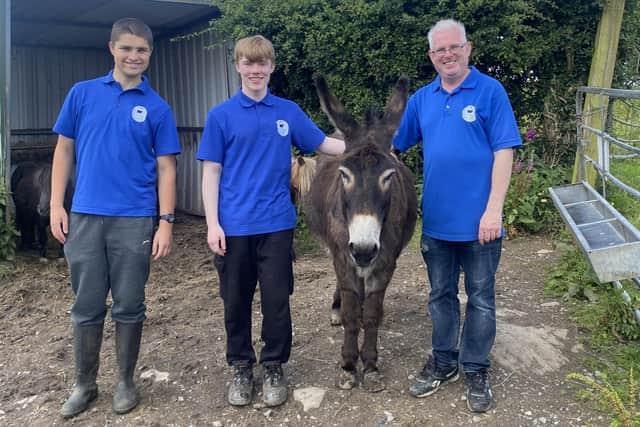

The fun farm not only opens its doors to families and schools but it also invites young people with special educational needs to work on the farm, gaining valuable work experience.
“I worked in a school for young people with SEN needs. During my time working here, I noticed the lack of opportunities for young people in an SEN setting after leaving school at 18 to get training, employment or get involved in community projects, in comparison to young people leaving mainstream education. This is the reason why we became a social enterprise and not a private profit making business. I wanted the opportunity to provide these adults with the opportunity to work in a real life setting, contribute to their local community and not be forgotten about or left behind.”
Testing the waters, Alan set up a Facebook page to gauge interest in the idea of a fun farm in Lisbellaw. The response was overwhelming, with the page quickly gaining traction and generating widespread enthusiasm among local families, confirming there was a strong demand for such an attraction in the area.
“I did my research and discovered there was no fun farm attraction in Fermanagh so competition was low.
“We created a facebook page to gauge interest in the local community and it went viral. We didn’t mention any locations etc before we found out if there was demand for such an attraction. The comments were really encouraging and the excitement among followers of something like this becoming available in Fermanagh and not having to always travel to other counties was evident in the comments. We then soon shared the location which got people in the local area really excited as it was putting Lisbellaw on the map.”
As many local businesses have experienced, opening and running a business comes with its fair share of challenges. For Fermanagh Fun Farm, the biggest test came during the COVID-19 pandemic. Unfortunately, the farm did not meet the criteria for funding, leaving Alan with the difficult task of finding alternative sources of support. Having recently employed seven staff members, he was faced with the harsh reality of having no funding to pay wages while also covering the ongoing costs of caring for and feeding the rescued animals at the farm. However, the overwhelming support of the local community helped keep the farm going during one of its most difficult periods, proving just how much the attraction meant to local families.
“We relied on donations and support from the general public during this time to help care for the animals. The support we got really helped us. We didn’t know if we would make it through the lockdown to re-open but thanks to the community support we got – we made it.”
Alan’s commitment to both high standards and animal welfare shines through in his work. Taking a hands-on role, he remains heavily involved in every aspect of the farm, ensuring visitors and animals alike receive the very best care.
“My role at the farm involves various hats to be worn such as HR – recruitment, training, supporting, Accounting, budgeting, keeping the business sustainable, coming up with new income ideas, General Manager – general day to day running of the business and H&S – Daily risk assessment checks, ensuring site is safe for all – staff, visitors and animals, meeting animal welfare needs, environment health guidelines and following good practice from NFAN (National Farm Attractions Network).
“No two days are the same. A typical day when opened to the public is usually from 9am – 5pm. We open to the public at 11am. Our priority before opening is caring for the animals. We follow the animal welfare act and ensure all animals have their 5 freedoms met before opening.”
Impressively, the farm has expanded and developed significantly over time, with improvements to both visitor facilities and animal areas. Now around four times its original size, it continues to grow and evolve.
Alan reflected on the farm’s growth, saying: “When the farm first opened we had 20 animals across 5 species. We now have over 100 animals across 20+ species.
“We had great support from the local community coming to visit. It has now gone beyond this, thanks to social media. Most of our visitors are now from Co Antrim, Monaghan and Cavan.
As is widely recognised, businesses rely on visitors to thrive. Supporting local businesses and enterprises plays a vital role in keeping communities vibrant, with attractions like Fermanagh Fun Farm depending on local support, particularly during off-peak periods.
“Supporting local businesses is very important as if you don’t support them, they will not be there.
“When people support a social enterprise they can gain a sense of pride as they are contributing to the achievements of the organisation. That organisation can grow and develop thanks to their support. The more they support it, the more that can be achieved and developed.
“As the saying goes – use it or lose it.”
Building on the strong support from the local community, the farm also strengthened its focus on animal welfare by choosing to work exclusively with rescue animals.
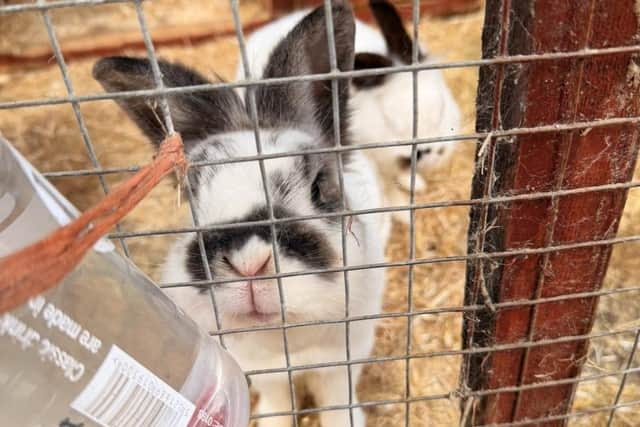
Alan explained his decision to focus on rescue animals, saying: “Rescuing and adopting animals means we are giving animals a new chance in life. I find that very rewarding. In return, these animals give so much love, attention and affection to our customers, staff, and volunteers which is a really positive experience.
“The animals at the farm know no different now. They see humans as a food source and we only have positive interactions with the animals so they trust us. This helps build up their trust and in return they are more willing to be hands on with visitors. That real personal hands-on experience is what visitors enjoy. Many comment on how friendly the animals are at the farm but this is only down to the commitment and hard work of our team caring for them and building up their trust.”
This enterprise is not only a place where young people with SEN can feel comfortable and grow into confident individuals, but it is also a space where animals are able to settle and thrive. Most animals on the farm have come from loving homes where families were just unable to care for them, but some have had “a cruel start to life.”
“Anna and Babs are two horses who were rescued by the ISPCA after being found abandoned on the side of the road. They had been badly beaten and bruised and had likely been used for racing, not to have won and left behind. The ISCPA worked with them for 18 months to build up their trust in humans before they came to live at the farm.
One of the farm’s favourites, Henry the goat, also had a sad beginning, “Henry the goat is a well-known character at the farm. His mum was tied up to a clothesline and left abandoned outside a derelict house. Someone came across her and reported this to the animal welfare team who took her into a shelter.”
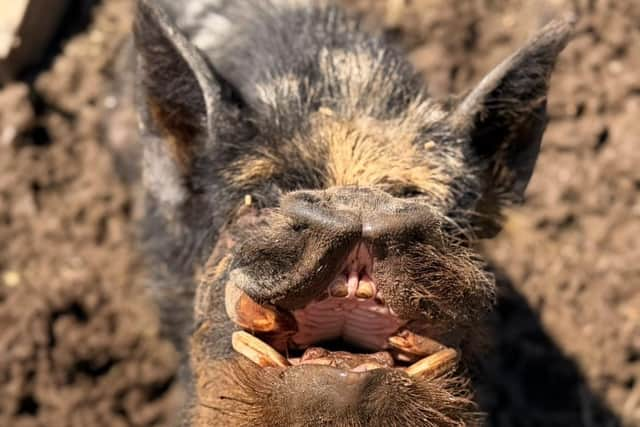
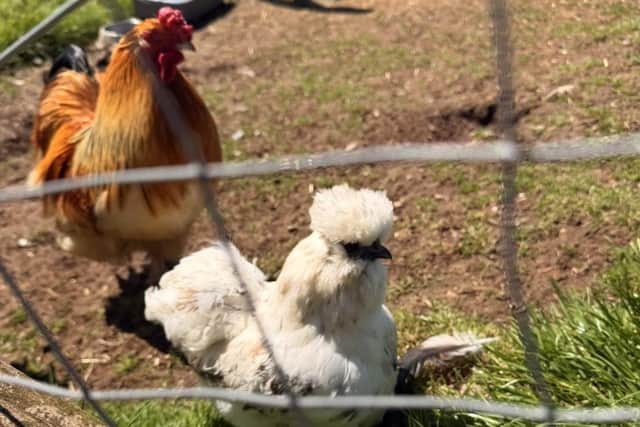
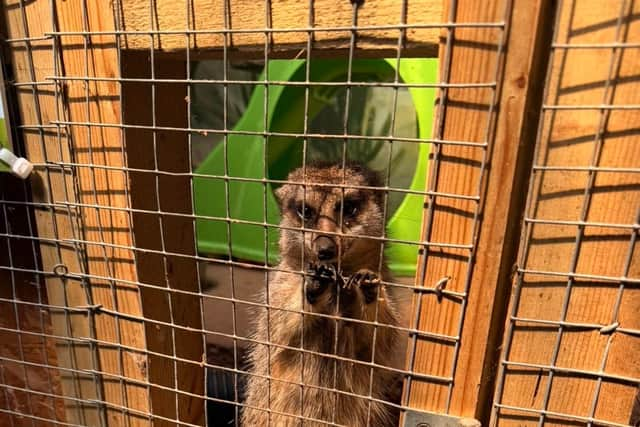
The farm also cares for rescued battery hens, pigs, geese, alpacas and even meerkats, which were saved from an illegal pet shop, along with many other animals, each with their own inspiring story.
Introducing their work with young people with SEN, Alan reflected on how the initiative began and shared a favourite success story.
“The service users enjoy coming to work at the farm. They want to be treated no differently than anyone else and to have a job to come to, means so much to them. They love interacting with the animals and caring for them.
“It really has boosted their self-esteem, confidence and they get so much enjoyment working on the farm.”
“The most rewarding stories would be from volunteers who have come to the farm with SEN needs such as autism. The animals don’t judge and we make the environment welcoming and inclusive to all. It really helps them overcome barriers, build confidence, feel less isolated, have a purpose and be part of something in their community.
The future of the fun farm is bright, with Alan having many plans for new developments and expansions in store.
“We know from listening to visitors that an indoor play area is really needed for older kids on wet days. We also want to attract the older kids to the farm and want to add new play equipment to meet this age range.
“We want to continue and grow our education programme for adults with a disability, SEN pupils at local schools and school refusers who would get more opportunities working in a real life setting while gaining a qualification than the traditional methods used in a classroom. A classroom doesn’t meet the learning needs for all young people.”
Reflecting on the journey, Alan shared his passion for farming and the importance of animal welfare, highlighting the hard work, determination and dedication that have driven the farm’s success.
“Animal Welfare is the most important thing at the fun farm. We have taken on a huge commitment to care for over 100 animals, give them the best quality care and meet their individual needs.
“Animals are so loving and caring. It’s only fair if we give them the same love and attention they give us.”
With its unique mix of rescue animals, hands-on experiences and strong community values, Fermanagh Fun Farm offers a memorable day out for visitors of all ages.