
A singing success for Nightingales this Dawn Chorus Day

Ahead of International Dawn Chorus Day on 3 May that celebrates birdsong across the world, visitors to RSPB nature reserves in the southeast of England could be serenaded by one of the UK’s most beautiful vocalists; the Nightingale.
The number of singing male Nightingales has reached their second record high across RSPB nature reserves with 176 recorded in 2025, a 7% increase from 2024 when 164 singing males were counted. A thriving Nightingale population during the spring and early summer is the successful result of the creation of habitat that attracts the species whose population numbers have suffered from long term declines.
Nightingales migrate to breed in the UK from mid-April after spending the winter in Africa. This charismatic bird, known for its beautiful song, has inspired musicians and writers throughout history and was the first ever wildlife to be broadcast on UK radio. But the species is currently on the UK’s Red List of Birds of Conservation Concern, meaning they are a bird of high conservation concern. Indeed between 1995 to 2024 the UK breeding population dropped by 34%.
This significant drop in UK breeding numbers is mainly due to wide-scale habitat loss and habitat degradation of its breeding grounds. The loss of their favoured thicket and scrub, along with a rise in deer populations that browse and damage their favoured breeding habitat, plus a lack of coppice management of woodlands that results in dense regrowth favoured by them, have all been significant contributing factors.
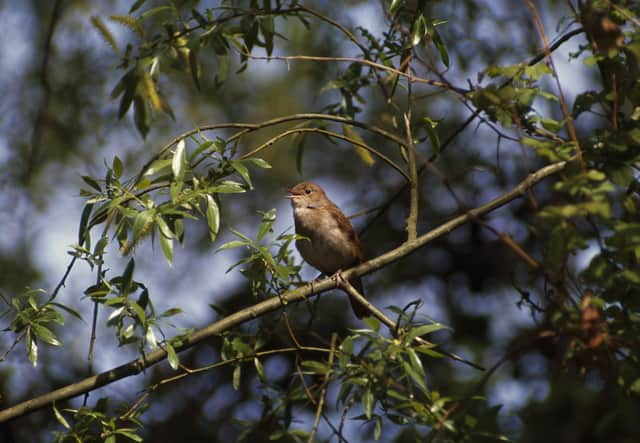

Despite the national trend across the UK, Nightingale numbers have remained stable on RSPB nature reserves. Their success during 2025 was largely recorded at Northward Hill (47) and Canvey Wick (28). With other reserves also recording increases, such as RSPB Pulborough Brooks (12), RSPB Blean Woods (23) and RSPB Minsmere (estimated between 22 and 35), the growing numbers demonstrate how important RSPB nature reserves are for Nightingales.
Nightingales are only found in southern and eastern England where they seek thick vegetation within woodland and scrub habitat. Scrub describes a mix of dense, low-growing vegetation which Nightingales require to shelter, nest and find food. Loss of this vital habitat has contributed to Nightingale declines in the UK, but selective habitat management across RSPB nature reserves is helping create invaluable areas of scrub.
Coppicing is a method carried out across RSPB nature reserves where Nightingales are found. The technique involves cutting trees close to the ground to encourage regrowth and create a dense thicket of thorny plants, providing the perfect place for Nightingales. At RSPB Northward Hill, scrub creation through planting and natural regeneration of vegetation has been ongoing since the 1990s. The number of singing males growing to 47 in 2025, up from 37 the previous year, shows that appropriate habitat management can aid species recovery.
Alan Johnson, RSPB England area manager, said: “It is fantastic to see Nightingale numbers increasing on RSPB nature reserves thanks to the hard work of staff and volunteers to create safe havens for this incredible migratory species. The growing numbers show effective conservation action and a great example that nature can thrive when given a chance.”
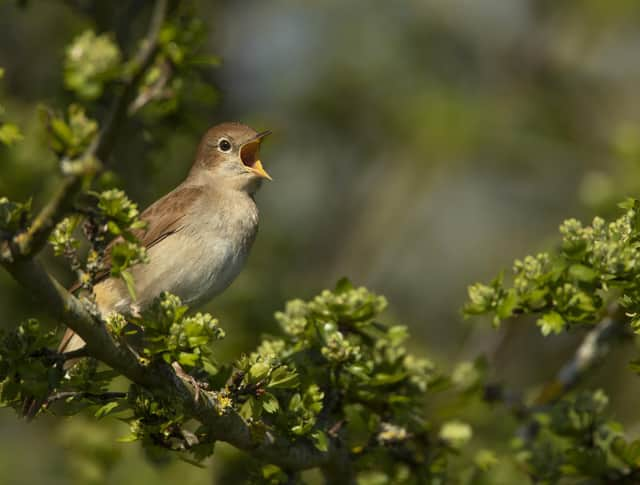
Unlike Nightingales that breed elsewhere in Europe, all the UK’s Nightingales winter in a restricted area in West Africa. This makes the population vulnerable to environmental conditions and habitat loss at their wintering grounds, which can impact the survival and number of birds that might return to the UK to breed. Nightingales are also very site faithful, returning to the exact same place to nest every year. These threats reiterate the importance of providing good quality habitat in the UK to support returning birds.
Alan continues: “Scrub might not be the most charismatic habitat, but it plays a crucial role in supporting Nightingale and other species such as Turtle Dove and Willow Warbler. Restoring and managing these habitats is vital for species recovery and with Dawn Chorus Day approaching, being able to hear singing Nightingales across our nature reserves makes all the hard work worthwhile”.
With Spring in full swing and singing Nightingales returning to our shores, International Dawn Chorus Day (Sunday 3 May) is the perfect opportunity to listen out for these birds, plus many others. From March to June, different species sing from dawn across the UK to attract mates and defend their territory during the breeding season. With birdsong helping to lower stress and support wellbeing, Dawn Chorus Day is one to be enjoyed by everyone, even just for a few minutes.
The RSPB is encouraging everyone to celebrate International Dawn Chorus Day by getting up early to enjoy one of nature’s greatest spectacles. RSPB nature reserves across the UK are hosting special events, but the dawn chorus can be enjoyed wherever you are – out the window, in the garden or at your local green space.
For more information and to find your nearest event, visit online here: https://www.rspb.org.uk/whats-happening/news/the-dawn-chorus-all-you-need-to-know-about-natures-big-show