
Brussels Notebook: For many farmers, this year has been good for business
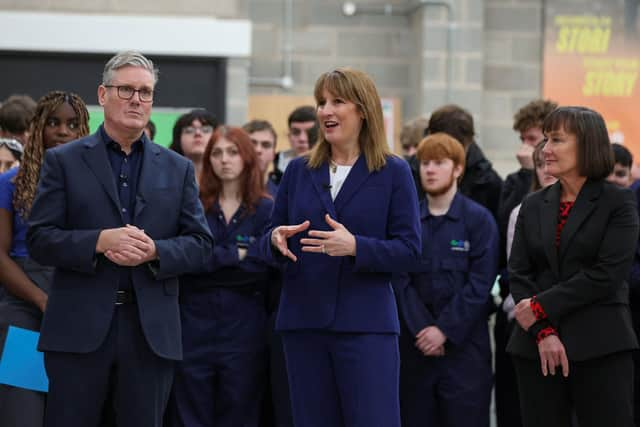
Schadenfreude is taking pleasure from other’s troubles. It is not a very worthy sentiment, but with the UK economy getting worse by the day farmers will take pleasure from Chancellor Rachel Reeves’ pain as the budget approaches.
Last year, with her inheritance tax changes, she destroyed farming families' plans and hopes for the future. That was a truly bad decision unlikely to change. It was just part of a series of bad decisions from a Chancellor unwilling to cut public spending.
Another bad decision was increasing employers’ national insurance contribution. This is a key reason why the economy is on the edge of recession, with globally weak economic growth; it is also the reason unemployment is rising and why people nervous about the future are not spending.
This makes the inheritance tax fiasco look akin to the proverbial Sunday school picnic in economic terms, although it is far from that for farm families. As to the budget and the future, all that can be said is that if you are a family business, a taxpayer, or someone with assets the situation is akin to being on a plane with the crew shouting brace, brace, brace. Bad as the budget will be it is unlikely to dent public spending. The Starmer and Reeves government made itself hostage to backbenchers when it backed down over modest cuts to welfare spending. Also protected will be green aspirations and net zero, regardless of cost and some dodgy science. This week saw another United Nations global summit on climate change, this time in Brazil.

This was the annual COP event, now up to COP30 without much progress or focus on properly thought out solutions. The atmosphere this year is, however, different. Fine words are still being used about the problems; demands continue for “rich” countries to atone for their past by giving more funds to poorer countries.
But there is a cooling from some of the big players. The world’s biggest economy, the United States, is not there and Donald Trump has blocked funding and participation in climate change initiatives.
The EU is there, with a commitment to continue progress, but there is not the same political enthusiasm for global green policies after the decimation of the Greens in the last European elections with the far right now a bigger political force. The absence of the US is crucial as without its involvement in a change strategy nothing can be achieved. China, as the world’s second biggest economy, is mounting some good PR about what it is doing to move away from fossil fuels, but this is more spin than reality. In Europe and the UK enthusiasm for the costs and sacrifices to achieve unproven net zero goals is waning. As the far right move closer to power this will accelerate. It is an old adage that business only happens when somebody sells something to someone. For many farmers this has been a year when business has been good, with global prices helping to raise the tide for all boats. However markets do not stay up for ever. Now is the time to make sure demand remains profitable after commodity prices ease.
Profitability does not come from commodity prices alone; premium products, with more added value, boost the fortunes of everyone along the food supply chain and that includes farmers. Success with these products is in no small measure a reward for what is spent on marketing, to build a brand, and more direct activity such as advertising.
Since Brexit the UK seems to have lost some of its focus on national food promotional campaigns. This reflects less government funding and a lack of joined up thinking over promises to put budgets in place to offset the loss of EU funding that was there in the past. For the EU this is a big numbers game. It has just agreed around 120 million in funding for 72 projects across all member states, covering home and overseas food promotions.
This is the outcome of a streamlined application and assessment process to cut out red tape and speed decision making. There can be no question that this will give EU farmers an edge in major markets and when it comes to food, despite Brexit, the UK is still the EU’s biggest export market. This is a high bar for the UK to even consider matching and with a cost cutting budget looming any help for agriculture and food is a distant prospect.