
Bern Convention allows for the removal of bTB infected badgers
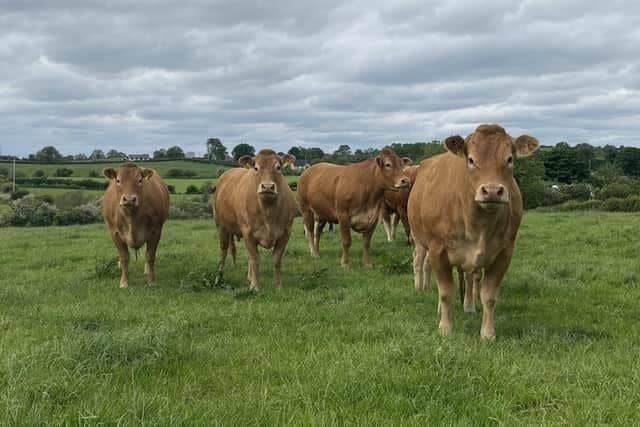

Farmers for Action (FFA) spokesman, William Taylor is claiming that the Bern Convention allows for the removal of bovine tuberculosis bTB infected badgers in all rural areas.
And this can happen with immediate effect.
William Taylor continued: “We have received legal advice o this matter. The Convention allows for the removal of bTB infected badgers on the basis that they can spread the disease to other wildlife species. In effect, there is nothing to stop the Stormont Executive pushing ahead on this basis without delay.”
The role of badgers in spreading bTB was discussed at length at a concerned farmers’ meeting, held recently in Seaforde, Co Down: a renowned disease hotspot.
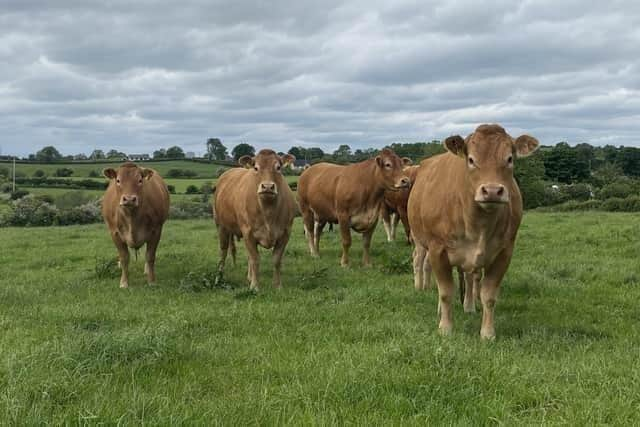
William Taylor again: “The challenges now facing farmers restricted with bTB are immense. Infected animals must be housed separately from other stock. Meanwhile, additional housing must be found in many cases to cater for the extra stock maintained on farms that could be under movement restriction for months.
“It’s obvious that the Department of Agriculture must do more to facilitate the very real needs of farm businesses impacted in this way.”
Significantly, FFA is recognising that a further court case will be required to clearly define the legalities that relate to the full implementation of a new bTB eradication policy for Northern Ireland.
William Taylor further explained: “Again, we are taking legal advice on the matter. However, I am very mindful that we are some 18 months out from the next Northern Ireland Assembly Election.
“So the possibility of Stormont farm minister, Andrew Muir, taking real action on the bTB matter prior to this is remote.”
Meanwhile, Animal Health and Welfare NI (AHWNI) has launched a new website as part of an industry campaign to provide information for farmers on bTB.
With the incidence of the disease in Northern Ireland now at unprecedented levels, the ambition is for the website to hold key information and practical advice for dealing with and preventing the infection.
Turn to page 13
Website content will be expanded with time and in line with emerging research findings and reports.
Commenting on the launch of the website, AHWNI Chief Executive Dr Sam Strain said: “Bovine TB is a complex and hugely challenging disease, impacting animal health and welfare, and can have devastating knock-on effects on human health as well as farm business profitability.
“Given that many factors are involved in its spread, tackling bovine TB successfully will require a multi-faceted and multi-agency approach.”
He added: “While the cattle industry in Northern Ireland does not currently have all the tools required to deal with bovine TB, one area that can be progressed is the provision of independent advice to farmers.”
The aim of the AHWNI TB website is to provide farmers with a ‘go-to’ place for them to access information on bovine TB from a trusted source.
According to Sam Strain, this resource is only one strand of the many actions that need to be taken if TB is to be effectively controlled.
He further explained: “These include reducing the risk of purchasing infected livestock as well as the infection risk from wildlife.
“However, fundamental to controlling the infection is understanding it and knowing some of the measures farmers can take to reduce the risk of infection spread. This is why we’ve developed this website.”
As an industry-led, not-for-profit organisation, the aim of AHWNI is to benefit ruminant livestock producers through providing up-to-date knowledge and through co-ordinating the control of selected endemic diseases.
The new website is an important resource to help farmers understand the infection and identify practical ways that are within their gift to reduce the risk of infection in their herds.