
Haulage and logistics workers urged to protect their backs ahead of Christmas rush - 18,000 people in NI suffer from musculoskeletal disorders every year
The Health and Safety Executive for Northern Ireland (HSENI) is reminding haulage and logistics employers to take practical steps to protect workers from back and joint injuries, as the busy Christmas period approaches.
The run-up to Christmas can bring increased pressure across the transport and logistics sector, with heavier workloads, more deliveries, and tighter schedules.
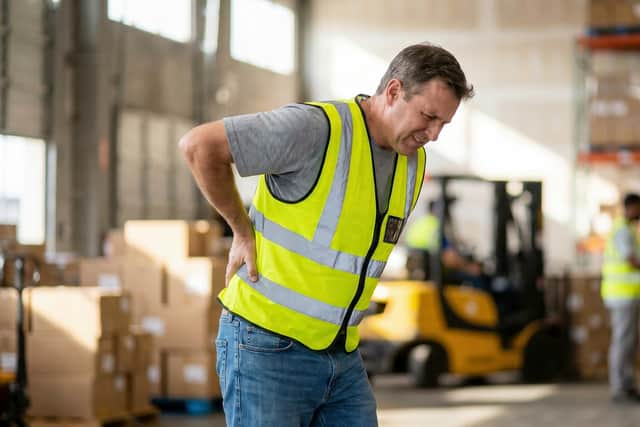

These demands can increase the risk of work-related musculoskeletal disorders (MSDs), including back problems, joint damage and injuries to the arms and legs.
HSENI statistics estimate that around 18,000 people in Northern Ireland suffer from work-related MSDs every year, resulting in approximately 260,000 working days lost.
HSENI Principal Inspector Kellie McNamara said: “Musculoskeletal disorders can have a significant impact on workers' health, their ability to work and their quality of life. Many of these injuries develop gradually over time, but the risks can be reduced through sensible workplace measures.
“In the haulage and logistics industry, manual handling is a particular concern. Workers may regularly handle heavy, awkward or unstable loads, often involving bending, twisting and working in uncomfortable positions.
"Drivers can also be exposed to risks from prolonged sitting, poor posture, whole-body vibration and inadequate seat support.
“With the additional pressures that often come with the Christmas period, we would encourage employers to take time now to review their working arrangements and make sure they are doing everything reasonably practicable to prevent injury,” she added.
Employers should pay particular attention to:
- Manual handling: Avoid unnecessary lifting and carrying. Where possible, use mechanical aids and equipment to move heavy or awkward loads.
- Loading and unloading: Make sure workers have safe access to vehicles and loads, with sufficient space and appropriate equipment to carry out tasks safely.
- Work organisation: Plan workloads and delivery schedules realistically, allowing sufficient time for safe handling and avoiding unnecessary pressure to work quickly.
- Driver welfare: Ensure vehicle seats are properly adjusted and provide adequate support. Encourage drivers to take appropriate breaks and move around during their working day.
- Training and supervision: Make sure workers understand the risks associated with their tasks and know how to handle loads safely.
- Early reporting: Encourage workers to report discomfort, pain or early signs of injury so that problems can be addressed before they become more serious.
“Employers have a legal responsibility to assess the risks of work-related musculoskeletal disorders and take appropriate steps to eliminate or reduce them so far as is reasonably practicable,” Kellie added.
“Workplace health deserves the same attention as workplace safety. A back injury or damaged joint can have long-term consequences for an individual, their family and their ability to earn a living. These injuries should not simply be accepted as part of doing the job.
“We would encourage employers and self-employed people across the transport sector to make use of the free guidance and resources available from HSENI and the Health and Safety Executive to help them identify risks and make improvements.
“Where significant risks are identified, HSENI inspectors may take enforcement action to secure compliance with health and safety legislation,” she warned.
Further information on preventing work-related musculoskeletal disorders is available from:
Manual Handling - Questions and Answers