
'It's now a moral issue because it's the water that we all drink' - Lough Neagh Fishermen's Co-Operative Society gives evidence to AERA Committee
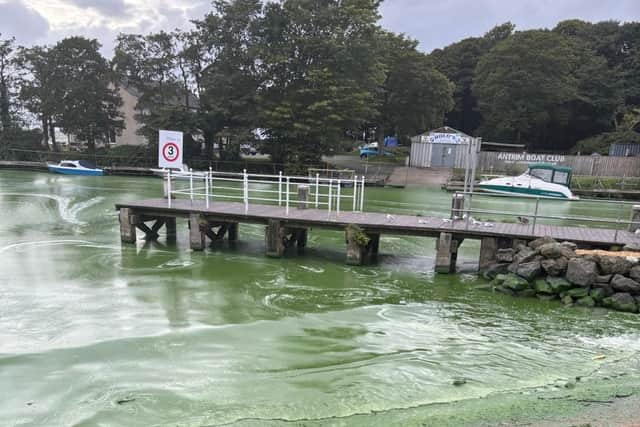
The Director of the Lough Neagh Fishermen's Co-Operative Society has said that the AERA committee’s environmental objectives “are all totally irrelevant when it comes to what we see with Lough Neagh and pollution”.
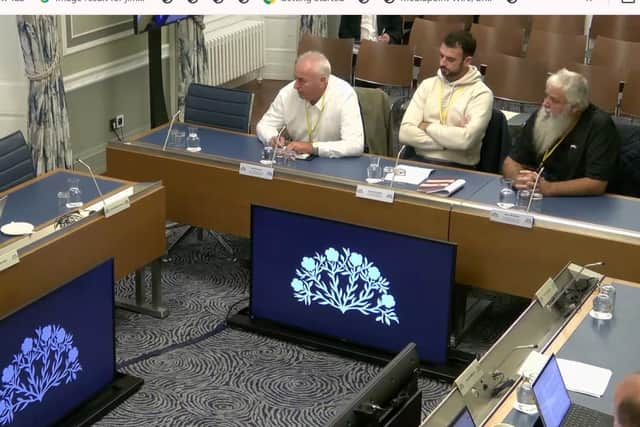
The Lough Neagh Fishermen's Co-Operative Society today gave evidence to the Fisheries, Aquaculture and Water Environment Bill.

"They don't mean anything; they're only on paper,” Dee McElroy said.
"Pollution just wipes everything that, all your objectives wiped completely out, and the the pollution is getting worse year on year.
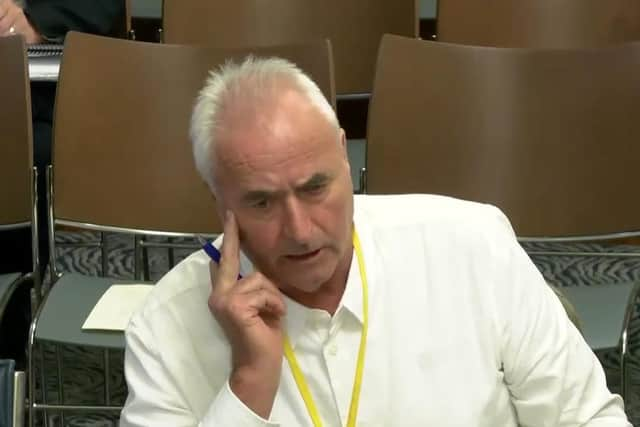
"And nobody even wants to talk about the main problem which is NI water and slurry,” he added.
"NI water and slurry are the two biggest contributing factors to this problem, and we have a big farming industry in Northern Ireland, and it's a very strong lobby.
"And no matter what we propose to them, they object to them because it obviously upsets their way of operation.
“The storage system has been here since 50 years, and it's been slowly poisoning Lough Neagh.
"And therein we need you guys, as politicians, to take a moral stand.
"This has gone by being an environmental issue.
"It's now a moral issue because it's water that we all drink, and the fish life has totally gone and its affecting the bird life, the tourist industry, never mind the fishing industry, and it will come back and beat the farm industry as well."
Adding that the pollution penalties are not strong enough, he said: “We've got to clean it up, and if we go into the EU again, you'll be made cleaned it up”.
Chairman of the Lough Neagh Fishermen's Co-Operative Society Ltd, Jerry McNally said he has been fishing for around 23 years and during that time “the lough itself has changed drastically”.
“We can't help but think that us as fishermen are being the ones heavily regulated for something that is totally out of our control,” he said.
"We are the ones being punished while the pollution still flows into our lough.
"We are frustrated that the data collected is mostly taken from our intake of fish, with no regards to the main issue of why our intake of fish is down.”
He added: “So you can make all the regulations you want, but at the end of the day, our stock levels aren't going to rise unless there's something else done about the pollution".
He said the last five years have been “completely downhill” and it “doesn't make any difference what we do or what we try, it’s just been downhill slope for us, and it's been a complete struggle”.
He added that he would like their group to be involved in making regulations “because I think our experience is vital to this sort of thing”.
He added that “there are still plenty of eels in Lough Neagh” but “they're not getting the food and the feeding now to bring them to maturity”.
When asked what amendments he would like to see made to the Bill he said: “I would like to see fines upped. I still don't think there's been enough done for the pollution within Lough Neagh.”
And he said that any action on pollution “is not moving fast enough”.
"We have been talking about this from 2023 when the first algae showed up,” he said.
"Really, we have seen no change whatsoever in those years. I don't think it's moving fast enough.”