
Wildlife expert shares five ways to protect robins this winter
As temperatures drop, garden owners are urged to support their local wildlife, small garden birds particularly vulnerable to cold weather
For robins, finding enough food, water and shelter becomes a necessity, with a helping hand required from garden owners.
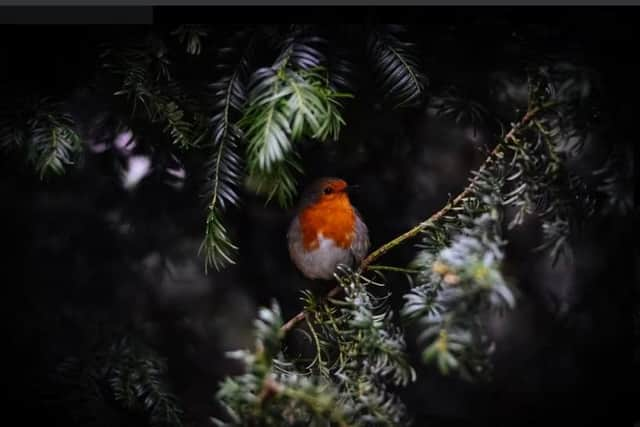

Small birds can lose more than 10% of their body weight during a single winter night, making reliable food sources a particular help.
Sean McMenemy, wildlife expert and founder at Ark Wildlife, shares five ways to help to protect robins and make gardens a more welcoming place for them during the colder months.
He advises to keep feeders topped up with nutritious food.
“At this time of year it’s critically important to provide food for our garden bird," he said.
"Robins are particularly partial to mealworms, which are an excellent source of protein, although they will also eat suet pellets, insects, robin-friendly bird mix and fruit.
"Scatter food in natural feeding areas – The robin is known as the gardener’s friend, often sitting on a spade and waiting for the chance to grab a grub that might appear from the soil.
"They love to hop around in leaf litter and flower beds, searching for insects and worms.
“But, as the ground hardens with the cold and natural food becomes more difficult to find, putting out additional food can make a real difference.
"Robins prefer to forage and feed from the ground, so placing food on a suitable ground feeder or small tray near a shrub or perch can make it easier for them to access.”
He also advises to put out fresh water and ensure it doesn’t freeze over.
“As well as food, robins need access to fresh water throughout the winter," he addedr.
"As well as for hydration, water helps keep robins’ feathers in good condition, but freezing temperatures can make it difficult for birds to find a reliable supply.
“Putting out a shallow dish of fresh water in the garden can help, but remember to check it regularly during frosty weather.
"If it freezes, replace it with fresh, lukewarm water.
“You can prevent the water from freezing over by placing a ping pong ball in the bird bath, which will help to circulate the water.
“Stick to natural methods - don’t add salt, antifreeze or other chemicals to water to prevent it from freezing, as these can be harmful to our feathered friends.”
He also asks homeowners to try to leave natural shelter for robins to escape the cold
“Robins need somewhere sheltered to escape the freezing temperatures of the British winter,” he said.
"Dense shrubs, horny hedges, climbing plants and thick vegetation all provide useful places for birds to hide and keep warm.
“So don’t be sure not to overtidy your garden during winter – leaving areas of undergrowth, leaf litter and vegetation gives robins plenty of sheltered options to keep warm, while providing opportunities to forage for insects and other natural food sources.”
He also advises that if possible in stall a roosting pouch or open-fronted nest box
“You can help robins escape the cold by providing them with a roosting pouch or next pocket, giving them somewhere to retreat to during chilly nights,” he added.
“Nest boxes also provide a great place for robins to shelter. But, it’s important to choose the right design, as robins won’t use a traditional round-holed nest box.
"Instead, make sure you choose an open-fronted one, which is more suited to the way robins nest.
“Position the box in a quiet, shaded area.
"Ideally hidden using foliage or climbing plants. It should be high enough off the ground to keep it out of reach of cats, and facing between north and east to protect it from the sun and winds.”
Sean said: “As the weather turns and autumn gives way to winter, the sight of robins in the garden is a welcome burst of brightness during what can sometimes be rather dull days.
“With their recognisable red breasts and characterful nature, robins are one of our best-loved garden birds.
"Robins come into their own at this time of year.
"Although they’re here all year round, they are a familiar sign of winter, appearing in gardens as the days get shorter and colder.
"By providing nutritious food, fresh water and plenty of natural shelter, you can help to make sure these much-loved garden visitors have what they need to get through the winter.”