
Make the most of the light
Every fortnight people from a farming background, or who have a heart for the countryside in the Presbyterian Church in Ireland, offer a personal reflection on faith and rural life. They hope that you will be encouraged by it.
When l last wrote this column, which was only five months ago, we were coming into late autumn. With winter round the corner, British Summer Time (BST) came to an end the next day, as we put the clocks back and lost that precious hour of daylight. This month sees the reverse, when BST makes a welcome return, as we put the clocks forward on the 29 March and reclaim that lost hour.
We probably don’t give day and night, light and darkness, a second thought, except at those times of the year when we gain that extra hour in the spring and lose it again in late October. For others, especially those who work the land, the longer days are important – and welcomed.
At the moment, with the lambing season upon us and with calving getting well underway, cows and ewes don’t do ‘nine to five’, and neither do farmers. What needs to be done between dawn, dusk and beyond, is done - which is why the stretch in the day makes all the difference, especially when milking takes place for the first time in the dawn’s early light.
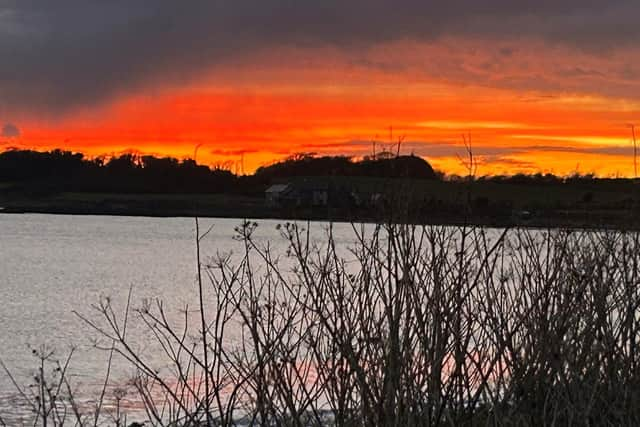

Where I live, the sun rose around 8.10am and set just after 6 o’clock on the day my last contribution was published. Today, it will crest the horizon at 6.41am and set at 6.25pm, giving us just shy of 12 hours of daylight. Come late June, and the longest day, that stretches to just over 17¼ hours of daylight, with the sun rising at 4.47am – and the most to be made of the day before it sets just after 10pm.
When God set to work making the heavens and the earth, we read in the very first chapter of the Bible’s very first book, some of the world’s most famous words, “‘let there be light’” (Genesis 1:3.) In those early verses we see that God separated the light from the darkness and “…called the light ‘day’ and the darkness he called ‘night’. And there was evening, and there was morning – the first day” (v4.)
As the Bible records the fall of humanity, and the work of God’s hands, which culminate with the birth, death, resurrection and return of his Son and our Saviour, the Lord Jesus Christ, it is full of references to ordinary mornings and solitary evenings, light and darkness.
For example, King Solomon, reassures us that “Because of the Lord’s great love we are not consumed, for his compassions never fail. They are new every morning…” (Lamentations 3:22-23), while the apostle Paul offers good practical advice suggesting, “do not let the sun go down while you are still angry” (Ephesians 4:26.)
Light and darkness are also used as metaphors for good and evil. At the same time, they can also refer to spiritual darkness, and a life separated from God by the sin that entangles us. But there is good news, for God made a way back to him. Jesus declared for all to hear down the centuries, “I am the light of the world. Whoever follows me will never walk in darkness, but will have the light of life” (John 8:12.)
Through our acceptance of Jesus’ atoning sacrifice on the cross that first Easter, and the forgiveness of our sin, we are made right with God for eternity, becoming his “…children of the light and children of the day…” (1 Thessalonians 5:5), forgiven and transformed. As the days lengthen, reach for the light that shines in darkness, and the new dawn it will bring.
Before coming to live in Belfast over 40 years ago, Mark grew up in a village in rural Sussex, coming to Northern Ireland in his late teens. He is a member of Bloomfield Presbyterian Church in east Belfast and the Presbyterian Church in Ireland’s press & media officer. If you would like to talk to someone about any of the issues raised in this article, please email Rev Kenny Hanna, PCI’s Rural Chaplain at [email protected] or call him on 07938 488 372.