
AFBI research helps shape new beef feeding system for better rations
Rising feed costs, tighter margins and growing pressure to improve efficiency mean that accurate, up‑to‑date feed rationing systems have never been more important for beef and dairy farmers.
Feed into Milk (FiM), established in 2004 and developed using research outputs from the Agri-Food and Biosciences Institute (AFBI), Scottish Agricultural College and the University of Reading, remains the foundation of UK rationing for dairy cows. FiM provides the predictive engine for most ration formulation software, linking intake with energy and protein requirements and supply, and continues to guide dairy feeding more than two decades after its introduction.


Updating beef feed rationing system for modern cattle
While robust dairy feed rationing systems are in place and have been reviewed by AFBI to ensure their continued accuracy, the UK’s beef rationing model had remained largely unchanged since the recommendations of the Agricultural and Food Research Council (AFRC) in 1993. However, over the last decade work by AFBI has identified that this older system no longer reflects the energy demands or performance of modern beef cattle.
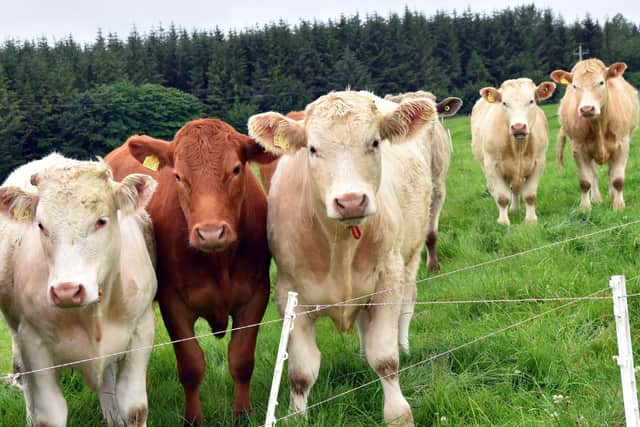
Since then, cattle genetics, feed materials, feeding systems and animal performance have all changed substantially, creating a long‑recognised need to modernise the underlying nutrition models.
To investigate this, researchers analysed more than 20 years of high‑precision research data from steers, heifers and suckler cows collated from AFBI and the University of Reading, allowing them to assess how animals use energy from their diets. The study found that maintenance energy requirements were 24% higher than the current AFRC system predicts — likely due to larger, faster‑growing genetics and modern feeding practices.
This evidence has underpinned the Feed into Beef (FiB) project, funded by Agriculture and Horticulture Development Board (AHDB), in partnership with AFBI and Scotland’s Rural College (SRUC) and the Centre for Innovation Excellence in Livestock (CIEL), now part of the UK Agri‑Tech Centre; and supported by an industry advisory group.
The five-year programme aimed to deliver modern, evidence‑based guidance for predicting beef cattle performance and feed requirements.
Using the FiB model as its foundation, a new beef feeding system has been developed and validated with the validation data being contributed from research centres across the UK and Ireland, alongside collaboration with industry partners from the commercial feed sector.
AHDB has now produced updated nutrition equations and supporting outputs for the UK beef sector.
Why it matters on farm
Built on the foundations of FiM, the new FiB-based systems are not simply academic models; they sit behind many of the feeding decisions made daily on dairy and beef farms across the UK. With more variable weather patterns affecting forage quality and ongoing financial pressures on farm businesses, accurate feeding models are becoming increasingly important in helping farmers deliver productivity, improve feed efficiency and reduce unnecessary nutrient use.
As Professor Tianhai Yan, who has spent more than 30 years researching cattle energy metabolism at AFBI, explains: “Good feeding starts with accurate quantification of feed requirements and robust prediction of feed use efficiency. Without that, everything else — performance, costs and emissions — becomes guesswork.”
David Wilde, a key contributor of the Industry Advisory Group commented “the revised models for dry matter intake and ME (Metabolisable Energy) calculations are performing very well on farm situations where farmers are monitoring feed consumption and regularly weighing their cattle”.
With the recent publication of Feed into Beef technical advisory document (https://ahdb.org.uk/feed-in-to-beef-research-project) and nutrition equations for beef cattle summary, AFBI’s research is helping ensure farmers have access to accurate, evidence‑based feeding tools. This updated system will help producers make best use of forage and concentrates and support steady, efficient performance across beef systems.