
McCrossan: Minister's "disappointing" response to temporary slurry spreading flexibility proposals
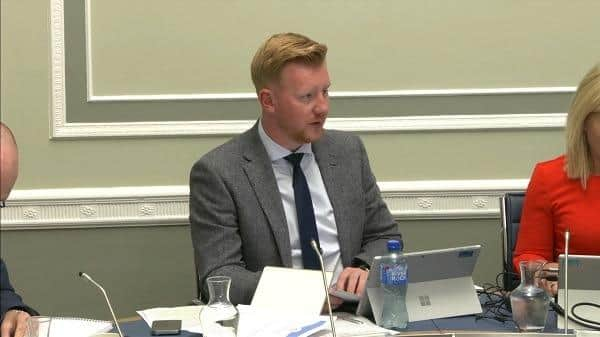
SDLP West Tyrone MLA Daniel McCrossan has criticised the DAERA Minister Andrew Muir after he rejected calls to consider temporary slurry spreading flexibility similar to measures introduced in Wales.
In his response, Minister Muir said the Welsh Government’s decision to extend their slurry spreading period is due to drought conditions over the summer which caused major disruption to normal grazing and silage making activities. This left many farms unable to spread slurry as they normally would.

He continued: “Applying slurry in October and November carries increased risks of nutrient losses to watercourses. There is also low efficiency of nutrient use as grass and crop growth is declining with shorter day length and lower temperatures. Therefore, nutrient uptake is limited and nutrients applied are at risk of loss to the environment.
"Comparatively, Northern Ireland has not experienced such severe drought conditions and resulting restrictions on productivity and, according to GrassCheck, has experienced slightly above average grass growth in recent weeks.
“(ii) The Department has not identified a need for comparable flexibility measures to those introduced in Wales, as the prolonged drought and extreme weather conditions experienced there were not replicated in Northern Ireland.
"Slurry spreading rules are implemented through the Nutrients Action Programme (NAP) Regulations. Scientific evidence supports the closed period as the most effective means of minimising the risks associated with slurry spreading. There is no provision in the NAP Regulations to grant an extension or waive dates for slurry spreading set in the legislation,” he added.
“However, the NAP Regulations include provisions for exceptional circumstances where compliance with certain requirements, including restrictions on spreading slurry, has not been possible due to factors outside a farmer's control. Any such circumstances are assessed on a case-by-case basis. Farmers are required to provide evidence that they took all reasonable steps to comply and that no reasonable alternative was available.
"Given the continuing pressures on water quality, particularly in Lough Neagh and other waterways, it remains essential that every reasonable measure is taken to minimise nutrient losses from agricultural land and all other sources,” the Minister concluded.
Mr McCrossan said: "The Minister's response will disappoint many farmers who were looking for practical support rather than inaction. Instead of examining what can be done to help farm businesses, he has simply pointed to existing regulations and claimed his hands are tied.
"The Welsh Government recognised the pressures facing farmers and introduced a temporary extension to slurry spreading alongside environmental safeguards. Farmers here are entitled to ask why similar options were not properly considered.
"Nobody disputes that Wales experienced more severe drought conditions. However, Northern Ireland was hardly spared. July 2026 was our eighth driest July on record, with rainfall at just 30% of average levels,” added Mr McCrossan.
"The question is whether DAERA seriously examined targeted flexibility with appropriate safeguards. There is nothing in the Minister's answer to suggest that happened.
"Of course, the SDLP and I supports strong environmental protections and improvements in water quality. Indeed, in Wales, its environmental regulator supported this move.
"Farmers also need a Department that is prepared to listen, show common sense and work with the industry to find solutions."