
Value in taking steps to protect livestock at grazing – AHWNI
Animal Health and Welfare NI (AHWNI) has published a series of recommendations for farmers on protecting their livestock from infectious disease during the grazing season.
They include:
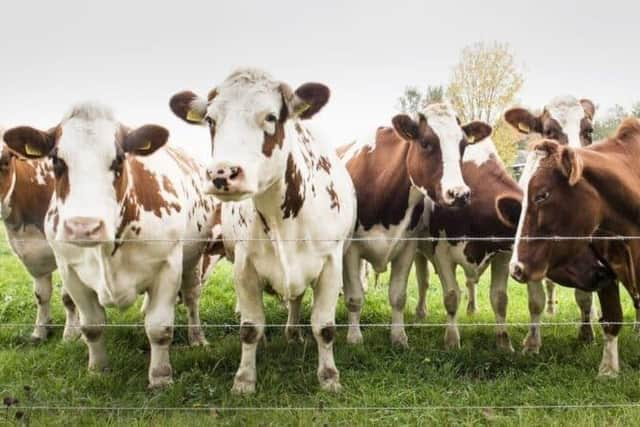
- Do not graze cattle on land where cattle from other herds are in adjacent fields, unless there is double fencing (with a gap of at least 3 metres) or stock-proof hedging. This will minimise the risk of transmission of infectious agents from infected animals (eg in saliva, mucus, faeces, urine, discharges from calving or abortions).
- Place fencing around badger setts and latrines so that cattle are less likely to come into contact with infectious material containing the bacteria that causes bovine TB (Mycobacterium bovis).

- Keep feed troughs, water troughs and mineral licks raised above the ground, at least 1 metre off the ground and away from adjacent structures, to prevent badger access. Use troughs with outward sloping sides or rollers. Move troughs frequently to avoid poaching and intensive contamination of the area around them.
- Only place enough feed in troughs for that day so that badgers are not attracted to ad lib feed. Empty troughs that are not in use and cover them.
- Communal grazing is high risk, so ensure an agreement is reached with other farmers that, for example, no stock from herds that have had BVD positive cattle present within the last 12 months are allowed on to the shared land. Any BVD outbreaks in co-grazing herds in the past should have been fully investigated and vaccination considered where
appropriate.
- Do not graze cattle and sheep together, as sheep can be a source of BVD virus and other diseases including Johne’s Disease, leptospirosis and Malignant Catarrhal Fever.
- Ensure that there is a mains water supply in fields being grazed and consider preventing livestock from accessing rivers, streams or stagnant watercourses.
- Aim to spread slurry on arable land or silage ground where possible and do not graze land for at least three weeks after spreading. Ideally, do not import slurry or manure. Use dribble bars or slurry injection to avoid producing slurry aerosols.
- Minimise visitors to livestock areas. Ensure any visitors disinfect boots before entering or leaving the farm. Ideally provide dedicated boots and overalls for all visitors.
- Minimise the use of borrowed equipment (including trailers), yards and crushes belonging to other farms, and ensure these are cleaned thoroughly before and after use.
There will be progressive benefits for your herd’s health if multiple small but effective improvements in biosecurity are introduced.
Infectious diseases can be spread to grazing cattle by a variety of means, including:
- Direct or indirect contact with neighbouring livestock across boundaries (or break-ins/break-outs)
- Direct or indirect contact with wildlife species
- Contaminated water (streams or surface water)
- Manure spreading
- Contaminated equipment, boots, clothing
For further information contact the AHWNI BVD Helpdesk (028 7963 9333) or [email protected].