
Burning banned on England’s deep peat to protect wildlife and human health

Local communities are set to benefit from improved air quality, following an announcement that the government will extend the ban on burning vegetation on deep peat as part of new plans to protect both the environment and public health.
The burning ban will protect our globally unique network of peatlands which are commonly referred to as the Earth’s lungs.
Peatlands improve water and air quality, create habitats for wildlife, absorb carbon and help protect communities from flooding. To deliver these benefits, they must be in a healthy condition but 80% of peatlands across England are dried out and deteriorating and actually emit carbon dioxide contributing to global warming.
Burning vegetation on deep peat causes the release of harmful smoke into the air, impacting air quality across communities. This includes harmful air pollutants for human health, including ones strongly associated with strokes, cardiovascular disease, asthma and some lung cancers.
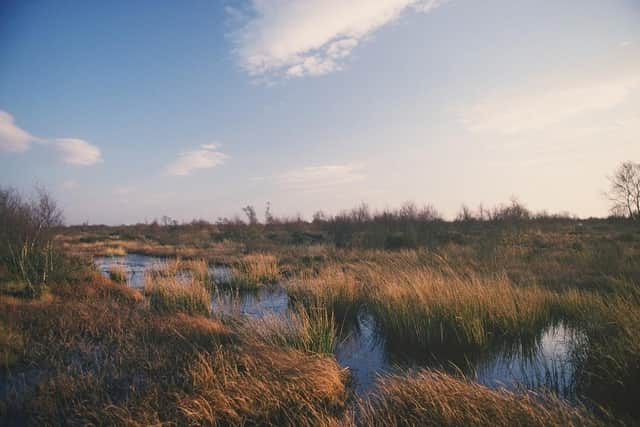

The move as part of the government's Plan for Change sees the burning ban extended to cover 676,628 hectares of deep peat up from the current 222,000 hectares – meaning an area equivalent to the size of Devon will now be better protected. The extension comes into force from 30 September.
Environment Minister Mary Creagh said: “Our peatlands are England’s Amazon Rainforest – home to our most precious wildlife, storing carbon and reducing flooding downstream.
“Burning on peatland releases harmful smoke ruining local air quality and damaging the precious ecosystems found in these iconic landscapes.
“Restricting burning will help us restore and re-wet peatlands. These new measures will create resilient peatlands that are naturally protected from wildfires.”
The extension comes following a consultation on measures announced earlier this year, and expands protections to all deep peat in the uplands, and redefines deep peat from the current 40cm to 30cm depth.
A refined licencing system which allows prescribed burning in exceptional circumstances will also be introduced. Any licences for prescribed burning will only be issued where there is a clear need, for example, to reduce wildfire risk. This will help balance environmental protection with practical land management.
The government is expected to publish its new Environmental Improvement Plan this Autumn, setting out its ambitions to halt the decline of nature. This will build on existing work to protect and restore nature, clean up our rivers and seas, boost tree planting and reduce waste.
This government has already licensed the first wild beaver release since they were hunted to extinction around 400 years ago, announced the creation of a new national forest stretching from the Cotswolds to the Mendips, started cleaning up our rivers, lakes and seas by introducing tough new powers through a new Act of Parliament, initiated waste reforms which will see £10 billion invested in new recycling facilities, and will invest up to £400 million in tree planting and peatland restoration over the next two years.
Responding to the announcement Beccy Speight, RSPB chief executive, said: “Extending the ban on burning over peat in the English uplands is a hugely positive step forwards towards protecting these precious habitats and reducing carbon emissions.
“Peatlands are one of nature’s greatest superheroes, for nature and for climate. They are home to some of the UK’s rarest birds and incredible wildlife. When healthy, peatlands act as a natural filter helping to improve water quality, can store water during times of drought, slow flow during times of flood and are resilient to fire. And in their wet, natural state they keep their vast stores of carbon locked away and so have a crucial role to play in our efforts to tackle climate change.
“Burning them is bad for nature, for the climate, for water quality and for managing flood risk. With the UK government targeting the restoration of 280,000 hectares of peatland by 2050, we hope today’s announcement signals a move towards an end to burning in the English uplands, to protect peatland habitats and reduce emissions.
“We would like to thank all our supporters who took the time to take part in the Defra led consultation and to thank Defra ministers for making the decision announced today.”