
BVD restrictions ahead for herds with untested animals
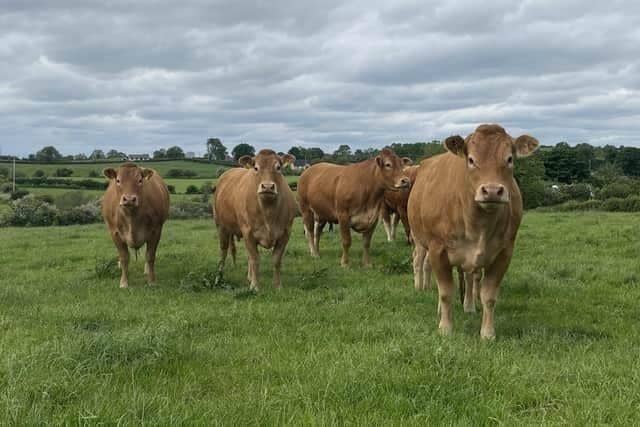

Animals that have not been tested for BVD pose an infection risk to other cattle as some of them may be infected with the virus.
From June, herds with significant numbers of BVD untested cattle (cattle with a BVDU status) face the possibility of herd restrictions.
These herd restrictions will initially be applied if there are 20 or more animals more than 30 days of age present in the herd that have not had a BVD test.
Any associated herds will also be restricted, and all inward and outward movements will be affected, apart from movements directly to slaughter or for disposal.
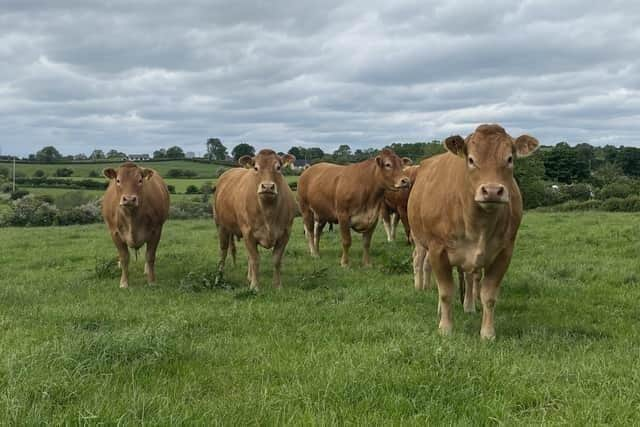
From 1 December 2025, the threshold for the application of restrictions will be reduced to 10 or more untested animals, and after a further six months the threshold is to drop to five or more untested animals.
Cattle born before March 1 2016 (the start of the compulsory programme) that have not been tested or had a BVD Negative calf registered against them also have a BVD Unknown status and need to be tested.
These ‘older’ cattle will contribute to the BVDU count on which the application of restrictions will be based. Any dam that has had a test negative calf automatically gains a negative status and does not need to be directly tested.
Restrictions on herds with ‘BVD Unknown’ (BVDU) animals will be lifted immediately on confirmation of a negative BVD result for all cattle more than 30 days old. (Cattle with a BVDU status are restricted individually from moving to markets, other farms and abattoirs.)
Animal Health and Welfare NI (AHWNI) recommends that farmers take steps to protect their herds and avoid BVD restrictions being imposed, by taking action to keep the virus out in the first instance, by ensuring that all calves are tested promptly and by testing all BVDU status cattle (either by using a supplementary ear tag or through blood sampling carried out by their own vet).
Currently restrictions are applied to herds that have retained BVD Positive or Inconclusive cattle for more than seven days from disclosure. Since the introduction of herd restrictions in February, there has been a marked decrease in retention levels, and this decrease is lowering the risk of virus transmission to other cattle.
Critically, this is happening at a time when we are approaching one of the peak periods of susceptibility of pregnant stock.
The benefits of these measures will be seen in the next calving season and will help industry progress towards its aim of eradication of the BVD virus in NI.