
Tesco Aberdeen Angus Scheme highlights growing importance of genotyping beef cattle

The Tesco Aberdeen Angus Scheme, delivered in Northern Ireland through Foyle Food Group and its supply chain partner Aberdeen Angus Quality Beef (AAQB), is encouraging beef and dairy farmers to begin genotyping eligible cattle and calves ahead of new scheme requirements coming into effect in 2028.
Tesco has incorporated this into its bonus structure, with all Aberdeen Angus cattle slaughtered through the scheme and born in 2027 required to have been genotyped.
Farmers supplying the scheme are being encouraged to order their genotyping tags and prepare to begin testing eligible calves when the national genotyping programme opens to all beef calves in January 2027.
However the benefits of genotyping extend far beyond meeting scheme requirements. For both beef and dairy farmers, it provides an opportunity to gain a better understanding of their cattle’s genetic potential and use that information to make more informed breeding decisions.

Genotyping analyses an animal’s DNA to provide information about its genetic makeup, including parentage and traits that can influence performance. For suckler farmers, this can help inform breeding decisions and the selection of replacement animals. For dairy farmers producing Angus calves, genotyping offers an opportunity to build a better understanding of the genetic potential of the animals they are producing for the beef market.
By genotyping calves, farmers can begin building valuable genetic information from birth, rather than waiting until animals approach finishing or slaughter. This can help them prepare for future requirements while exploring opportunities to improve herd performance, efficiency and carcase quality.
Sustainable Ruminant Genetics (SRG), through the DAERA-funded Bovine Genetics Project (BGP), offers a payment of £13 per eligible genotype submitted, covering the cost of the tag and genotyping.
Which animals are eligible?
- From 1 September 2026: Eligible breeding animals, including cows, heifers, female calves and bulls registered on NIFAIS. Male calves are also eligible if registered as a bull (‘B’).
- From 1 January 2027: All calves born and registered on NIFAIS during 2027 will be eligible, including males, females and bulls, regardless of whether they are intended for breeding or beef production.
Farmers can start genotyping eligible animals now. Incorporating DNA sampling into routine calf tagging, they can begin building valuable genetic information while making use of the support available through the project.
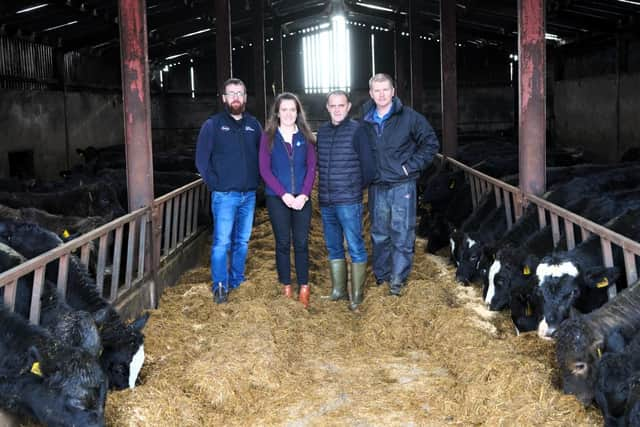
Tynan Roulston, a dairy farmer from Co Tyrone, is encouraging farmers to start genotyping their calves now.
“Genotyping calves is a great opportunity for farmers to understand more about the animals they produce. Whether you are a dairy or suckler farmer, knowing more about a calf’s genetic potential can help you make better informed decisions. With schemes such as the Tesco Angus programme placing greater importance on genotyping, it makes sense to start looking at it now and make use of the information available. Ultimately, it is about making the most of our calves and producing cattle suited to the market.”
Eamon Kelly, business development manager at AAQB, said: “This is an exciting opportunity for Northern Ireland. Whilst DNA has provided robust verification of Aberdeen Angus beef for many years this new Bovine Genetics Programme (BGP) has the potential to provide producers with very useful information which can help to improve the efficiency of their production systems.
“We need to raise awareness of this requirement, not only among our own members but across the wider industry. I would strongly encourage all dairy and suckler farmers to take advantage of this initiative and ensure that all Aberdeen Angus sired calves are tissue tested at birth from 1 January 2027. This will help ensure compliance with the new criteria and increase the market eligibility of Aberdeen Angus calves.”
The development is backed by the SRG team who have been raising awareness of the BGP for several months. Lois McConaghy, SRG’s business support specialist added: “Genotyping is becoming an increasingly important part of beef supply chain assurance, traceability and market eligibility. Both farmers supplying the Tesco Aberdeen Angus Scheme directly and those supplying cattle into the scheme through other members of the supply chain should prepare now to ensure their 2027 born calves meet the new requirements.
“Genotyping provides an opportunity for beef and dairy farmers to make better use of genetic information and prepare for the evolving needs of the beef supply chain. Farmers are encouraged to order genotyping tags now and explore how genotyping can benefit their business.”
For more information about the Bovine Genetics Project and how to get involved, visit www.srgni.com or call 02820462280.