
Texels are the versatile breed
At a time when sheep farmers need to remain agile to maximise their business opportunities, the versatility offered by using Texels as the main sire is helping Ballycastle, based Sean and John McCambridge manage their 800-ewe flock.
Sean says it is the flexibility of Texels which makes them a good fit within their enterprise.
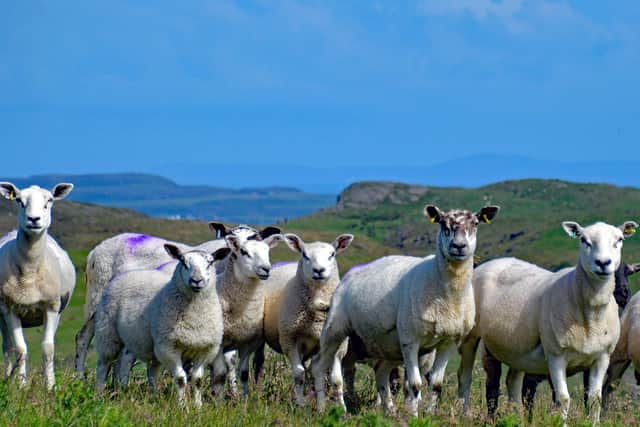

“They are a very versatile sire, we can finish a proportion of the lambs off grass alone, sell others as stores and retain our own ewe lambs as replacements. Texel ticks all the boxes and gives great flexibility in marketing our lambs.”
The base for the flock is a group of Mule ewes which are all served with Texel rams, with ewe lambs from this first cross retained as replacements.
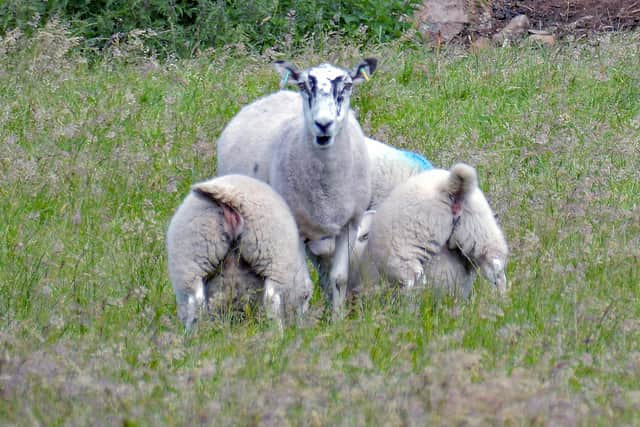
“In all honesty, the Mule is probably the weakest link in the chain, but we need them as the foundation for the maternal line, so are currently buying in 50-60 of them a year. They’re not as long lasting as the crossbred ewes, but that’s just the way it is,” he explains.
The first cross Texel ewe lambs are then put to a Suffolk tup, with ewe lambs also retained from this cross and put back to a Texel again.
“It’s a great three way cross and means we maximise hybrid vigour in the lambs, helping boost the number we are able to sell finished off grass.”
Ahead of lambing all ewes are housed on slats, both expanded metal and concrete, with the high price and reduced availability of straw locally meaning this is the most economic option. “Both TMR feeding and slats help reduce direct and labour costs associated with many housed systems,” adds Sean.
Ewes are housed from mid-January onwards and fed according to scanning results. Initially they are fed silage through the diet feeder then six weeks prior to lambing a 16% soya blend is added to create a mixed ration changing to an 18% soya content a week before lambing commences.
The switch to a mixed ration was made about 15 years ago. “That has been a big change in ewe management and reduced incidence of prolapses and bullying within the groups as there is feed in front of ewes 24/7 doing away with a rush to feed all at once.”
Lambing kicks off in the third week of March. Once lambed ewes are out to grass as soon as weather and grass allows, ideally within a couple of days. Then when the cattle go out the sheep are grazed in a rotational system alongside the farm’s 85-cow suckler herd.
“Of the 1300+ lambs sold every year about a third are sold as finished lambs, with the remainder being sold as store lambs for others to finish.”
Sean and John are careful to select their replacement ewe lambs before any lambs are sold, ensuring the top end are kept for their own use.
“We would usually have a first draw of lambs away to the abbatoir in mid-July, with the aim of getting them as close to the 22kg carcass weight as possible. We don’t want to go over that, but we do target that top weight as the optimal for our lambs. We usually source our Texel males as ram lambs from sales at Ballymena and Armoy choosing rams with good tops and ends, generally spending from £400 to £550 to secure the rams we want.”
In concluding, Sean said: “Texel ewes will last two years longer than others and have a good cull value. The prime lambs grade well and our retained ewes have plenty of milk and are great mothers. Overall we are very happy to have used Texel in our system for the past 35 years.”
The Northern Ireland National Sale will be held on 5th September 2020 in Ballymena Livestock Mart. The sale is EU Export eligible and a catalogue can be downloaded from the Texel Society website: www.texel.uk/sales.
Covid-19 restrictions and protocols will be in place as outlined within the catalogue.