
The future of the agricultural show in Northern Ireland debated (1977)

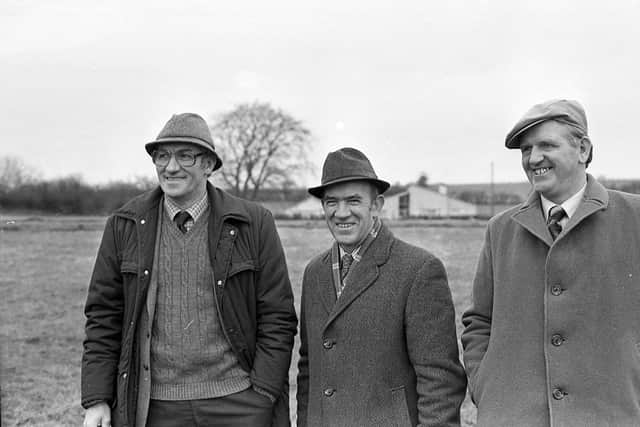
“The best ‘show talk’ we have had for a long time...” That was how Mr Sam Wilson, Crumlin, a prominent Friesian cattle breeder and exhibitor, summed up the success of the Ulster regional conference on the future of agricultural shows, which was held at the Deerpark Hotel, Antrim, during this week in 1977.
The all-day conference, organised by the Irish Show Association and chaired by Mr J T Kernohan, Royal Ulster secretary-manager, was attended by representatives of shows and some cattle breed societies from all over the country.
But it was not a “cow and bull” affair, for in addition to the cattle sections horse and pony interests were also represented, among the speakers being Mr E Campion, director general of the Show Jumping Association of Ireland, and Mr Dermot Forde, a veterinary surgeon and manager of the-breeding division of Bord na gCapall, who received a great welcome.
It was a real “down to earth” discussion on all the aspects and problems of agricultural shows on which it did not need a vote to emphasise the unanimous agreement that the agricultural events were not only of benefit to the farming industry but to the country.

Farming Life commented: “The exchange of views and ideas should help organisers to improve the efficiency and increase the popularity of shows.”
Mr John Wilson, deputy chief livestock officer, discussed several important functions of the shows, including “pleasure and entertainment, educational and advisory, community relations building, business and advertisement value and as a livestock improvement tool”.
He said: “Perhaps the most important function is providing a shop window where potential customers can see the quality of the livestock.”
But Mr Wilson, a noted geneticist, who showed slides to highlight his ideas of meeting the challenge of the 1980s, made it clear that he preferred “livestock performance records before good looks”.
He had some unpalatable things to say, but he was very constructive, noted Farming Life.
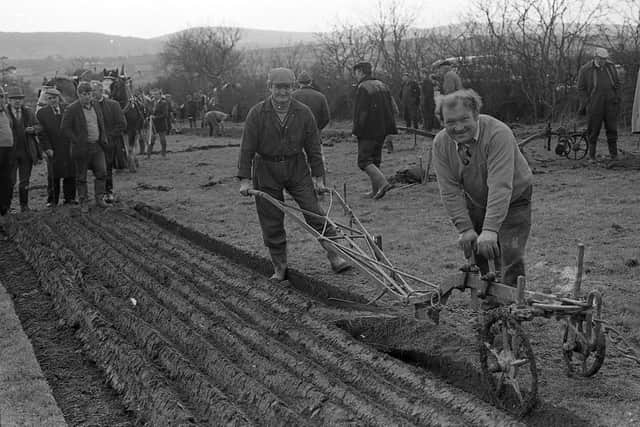
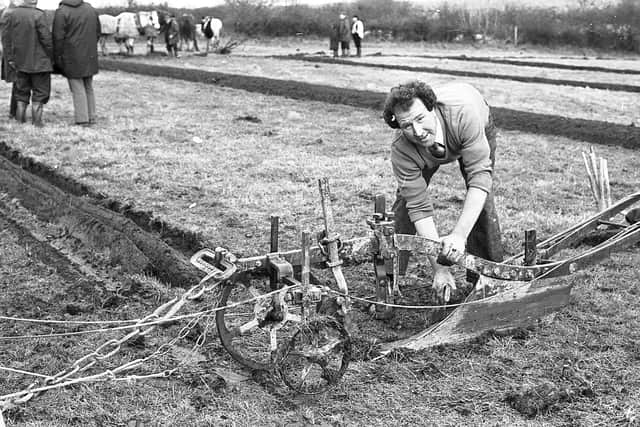
He said: “The fads of a few years ago are diminishing. These include fads like vessel-bred Ayrshires with not much milk and small impractical teats... small Angus and Herefords... sheep with wonderful, heads in some breeds but lacking other essentials... overfat gilts, militating against progress in pig breeding instead of what is needed commercially. All this is now as relevant as the horse plough.”
Mr Wilson was opposed to inter-breed competitions, declaring it was nonsense to “compare a Friesian with a Jersey or a Charolais with an Aberdeen Angus”.
He advised: “Get rid of inter-breed competitions. They are divisive and nonsense. We must foster co-operation instead of rivalry between breeds.”
He added: “There should be classes for stock with records of performance, milk recorded classes for dairy cattle – specified entry requirements, allowing only cows above the herd average performance in yields to be shown.”
He also said that he favoured progeny group classes, “both for natural and AI bulls”.
He said: “There should also be recorded classes for pigs and sheep – to highlight the performance of livestock which were in demand by the commercial men.”
Mr Robert Orr, chairman of the Co Antrim Agricultural Association which organised Ballymena Show, emphasised that a show was only as good as the supporters made it.
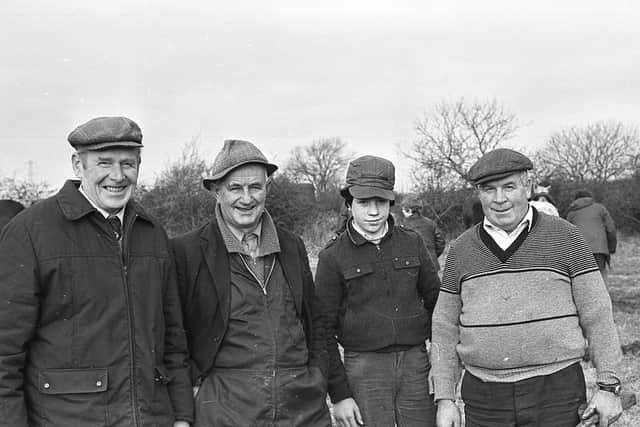
“A misapprehension which exists as far as the community attitude to a show is concerned is that the success or failure of an agricultural show is the responsibility of the chairman arid members of the executive committee,” he said.
“Nothing could be more wrong as these people are merely the representatives of the members of the local community and the first requirement for success, financial or otherwise, is loyalty, involvement and thereby pride in one’s local show.”
The backbone of any show, he said, was the consuming public and he was confident that an attractive well balanced programme could command an entrance fee of at least £1 per person.
“Show success,” he said, “depends on getting the maximum amount in, spending it wisely and having a small energetic team on a finance committee to co-ordinate the efforts.”