
AHDB publishes its latest cereals’ supply and demand estimates
The Agricultural and Horticultural Development Board (AHDB) has just published its second cereals’ supply and demand estimates for 2024/25.
The figures confirm a number of distinct trends. These reflect the challenging 2023/24 growing season and the diminished quality of grains produced in specific sectors.
Overall, minimal adjustments were made to availability and consumption figures since the last supply and demand release in release in November past.
However, the release included a first look at wheat and barley exports this season, and a revision for the oat export forecast.
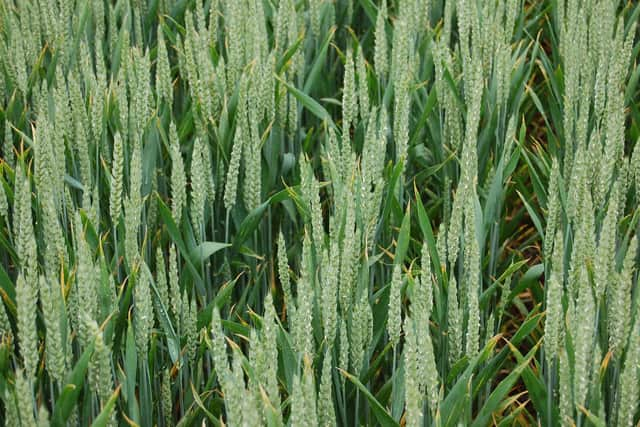

Across all three major UK grown cereals in 2024/25 exports are forecast well below usual levels.
The reduced availability of wheat in the 2024/25 season outweighs reduced domestic consumption. However, steady exports leave ending stocks well above the five-year average.
For barley, a slight climb in availability is outweighed by increased domestic consumption, leading to a tighter than average balance this season. However, reduced exports leave heavier ending stocks.
This season, due to increased usage in both the human and industrial and animal feed sectors, maize imports are expected to be well above average.
Despite heavier oat supplies, increased consumption leaves a tighter oat balance this season compared to last. However, minimal exports have led to heavier than average stocks.
Total cereals demand for animal feed in 2024/25 is estimated at 12.610 Mt, relatively unchanged from November’s estimate (-22 Kt) but 303 Kt down on the season.
The balance between supply and demand sets the overall tone of the domestic market.
AHDB publishes forecasts of cereal supply and demand for the UK split into the areas of availability, consumption, exports and stocks.
Compound animal feed production is expected to continue to rise again this season -following a considerable decline in 2022/23 - driven largely by a rise in cattle feed production and to a smaller extent, sheep feed, outweighing falls in pig and total poultry feed demand.
Cereal inclusions remain firm, which is also driving the rise in usage in compound feed production. However, the amount of cereals fed on farm is expected to decline this season, due to smaller domestic crops, leading to the overall annual decline in cereals demand for animal feed.
At 10.684 Mt, human and industrial (H&I) total cereals usage in 2024/25 is again relatively unchanged from the previous estimates (-22 Kt) but 153 Kt down from 2023/24 levels.
The reduction on the year is driven largely by a reduction in usage of wheat by the bioethanol sector as well as a drop in demand for barley, for brewing, malting and distilling (BMD).
A very marginal drop in oat usage by oat millers is also forecast.
Wheat
In 2024/25, the total availability of wheat is estimated at 16.883 Mt, up 95 Kt from November but down 1.486 Mt on the year, with a smaller crop outweighing a rise in opening stocks and imports.
Following the release of the Defra Cereals and Oilseed Rape Production Survey in December (2024), wheat production is estimated at 11.146 Mt, 95 Kt higher than November’s estimate but 2.834 Mt down on the year.
Imports remain unchanged from November at 2.750 Mt and are 313 Kt higher than 2023/24 levels. From July to November, the UK imported 1.449 Mt of wheat, a record level for this period, with a large proportion being of milling quality.
It is expected that the pace of imports will slow during the latter part of the season, with reports of importers of high-quality milling wheat ‘front loading’ stocks.
The majority of feed wheat imported into the UK is expected to be delivered into Northern Ireland, especially given the increase in the price of maize.
At 7.242 Mt, H&I wheat consumption is 86 Kt lower from November and 257 Kt down on the year. Wheat usage by the bioethanol industry is expected to decline further, driving the reduction from previous estimates and from 2023/24 levels.
Neither UK bioethanol plant is expected to be running at full capacity, partly due to competitively priced ethanol imports.
Furthermore, following the UK’s EU exit, the resolution of the status of domestic feed wheat under the renewable energy directive (RED II) remains ongoing.
RED II, along with its competitive price earlier in the season, has led to higher inclusions of maize in bioethanol production, compared with last season.
While flour production by UK millers is expected to marginally decline this season, extraction rates are expected to be slightly lower, leading to a slight rise in wheat usage by millers. With a smaller domestic crop, the proportion of imported wheat in the grist remains higher.
Although it is worth noting that reports suggest domestic supplies are functional, despite the lower protein levels.
In 2024/25, wheat used in animal feed is estimated at 6.464 Mt, relatively unchanged (+8 Kt) from November but 667 Kt lower than 2023/24 levels.
Compared with November, a rise in fed on farm wheat usage is partially offset by a slower than initially anticipated rise in total cereal usage by compound feed manufacturers. With a smaller domestic wheat crop, the decline in wheat usage for animal feed from 2023/24 levels is driven largely by a fall in fed on farm.
The balance of total availability and domestic consumption in 2024/25 is 2.883 Mt, 173 Kt higher than November due to the increase in the final production estimate and a slight drop in total usage.
However, compared with 2023/24, the balance is 549 Kt lower, with the drop in availability larger than the drop in demand.
Full season exports are currently estimated at 175 Kt, considering the export pace to date (Jul-Nov), of 51.6 Kt this leaves just under 123.4 Kt to be shipped from December to June.
The export pace is expected to remain slow but slightly pick up during the latter part of the season. Commercial end-season stocks are estimated at 2.708 Kt, 279 Kt lower than 2023/24 levels but 592 Kt higher than the five-year average.
Taking into account an operating stock requirement of 1.550 Mt, and exports to date (Jul-Nov), the UK has 1.282 Mt of wheat to either export between December and June or carry-over into the next season as free stock.
Barley
Total availability of barley in 2024/25 is estimated at 8.484 Mt, down 44 Kt from November but up 50 Kt on the year. The final production estimate for 2024 is 7.091 Mt, down 109 Kt, from the previous forecast.
This decline, outweighs a 65 Kt projected rise in imports, leading to the decrease from November. Barley imports are now estimated at 175 Kt, down 26 Kt from 2023/24 levels.
At 1.838 Mt, H&I barley usage is 24 Kt lower than the previous estimate and 79 kt lower year on year.
The decline from November and from 2023/24 levels is driven by sluggish BMD demand, which can be partly attributed to the increase in cost of living as well as the longer-term trend of fewer younger people now consuming alcohol. Maintenance has been carried out on sites across the industry too.
Usage of barley in animal feed is marginally (-15 Kt) lower than the previous estimate but 183 Kt higher than in 2023/24.
Due to its relative availability to wheat this season, barley is expected to be included in compound feed rations at a slightly higher rate.
However, the majority of the increase is driven by a rise in fed on farm usage, again, due to its relative availability to wheat and eroding malting barley premiums.
In 2024/25, the supply and demand balance is relatively unchanged (-4 Kt) from November but 53 Kt lower on the year, with the rise in demand from animal feed greater than the rise in total availability. Full season exports are estimated at 500 Kt, 280 Kt lower than in 2023/24.
From July to November, the UK exported 189.3 Kt of barley. Similar to wheat, the pace of barley exports is expected to pick up somewhat, albeit remain slow, towards the end of the season. End-season stocks are pegged at 1.548 Mt, 330 Kt higher year on year.
Taking into account exports to date (end-Nov) and an operating stock requirement of 800 Kt, the UK has 1.058 Mt of barley to either export or carry into ne xt season as free stock.
Maize
In 2024/25, the total availability of maize is estimated at 2.875 Mt, up 55 Kt from November’s estimate and 88 Kt on the year. The increase from November and on the year is largely driven by higher imports.
While the relative price of maize to domestic wheat earlier in the season led to a stronger import pace and some forward buying, the price of imported maize is now less competitive, so the pace is expected to slow during the latter part of the marketing year.
At 1.109 Mt, maize usage by H&I sectors is estimated to be 88Kt higher than the previous estimate and 191 Kt higher on the year.
The rise in usage from November and on 2023/24 levels is mainly driven by an increase in usage by the bioethanol sector.
Again, with its competitive price earlier in the season and the ongoing RED II situation, maize is a favourable option for bioethanol production. In 2024/25 1.422 Mt of maize is estimated to be used in animal feed, down slightly (-18 Kt) from November and up 79 Kt on the year.
With a smaller domestic wheat crop and relatively cheap imported maize earlier in the season, slightly more maize is expected to be included in rations. Likewise, a higher volume of maize is expected to have been shipped to Northern Ireland during the first half of the marketing year, again due to its relative price compared with imported wheat.
The balance of maize supply and demand is 340 Kt, 15 Kt down from November and 182 Kt down on the year. Exports are estimated at 135 Kt, unchanged from the previous estimate and 32 Kt down on the year. Ending stocks are estimated at 205 Kt down 15 Kt from November but 5 Kt up year-on-year.
Oats
In 2024/25 the total availability of oats is forecast at 1.123 Mt, slightly down (-16 Kt) from November but up 138 Kt on the year.
The final production estimate is 986 Kt, 14 Kt lower than the provisional AHDB estimate. Full season imports are estimated at 13 Kt, down 2 Kt from November and 2023/24 levels.
At 493 Kt, H&I oat usage is unchanged from the previous estimate and 7 Kt lower from 2023/24 levels. H&I oat usage is expected to remain steady, with no impact of increased capacity noted to date.
This will be continually monitored. The volume of oats used in animal feed is similar to November’s forecast at 354 Kt but is 102 Kt up year on year. With a larger 2024 crop, a greater proportion of oats are expected to be fed on farm.
The balance of oat availability and consumption is 18 Kt lower than the previous forecast but 42 Kt higher on the year at 246 Kt.