
Praise for vets and the important job they do
Every fortnight people from a farming background in the Presbyterian Church in Ireland, or who have a heart for the countryside, offer a personal reflection on faith and rural life. They hope that you will be encouraged by it.
My wife and I have been, and are, avid followers of the TV series ‘All creatures great and small’. The latest series, the sixth on Channel 5, has not disappointed. Set in the fictional village of Darrowby in the Yorkshire Dales just after the end of World War II, it follows life in Skeldale House and its veterinary team: Siegfried Farnon, James Herriot, Tristan Farnon and the indominable Mrs Hall. The popular show explores post-war life, its veterinary advancements, peppered with heart-warming animal stories and very ordinary human dilemmas. Vets are so important and so needed. Their skills and their access to medications are vital. It is always a joy to see a sick animal recover through surgery or medication. So, what are some of the characteristic things a vet does?
First and foremost, they examine and give a diagnosis. We sometimes try to give our own diagnosis, but even if we do, what can we do about the condition, ultimately? We may not like to hear the diagnosis itself. But it is what it is.
Secondly, the vet gives a prognosis. He or she will explain the illness and its consequences. This again may be deeply upsetting. However, thirdly, the vet’s job is often a ‘prescription’ visit. ‘The problem is x,y or z , but with a course of antibiotics, or a new drug just on the market, the animal will be as right as rain soon’, they may say.
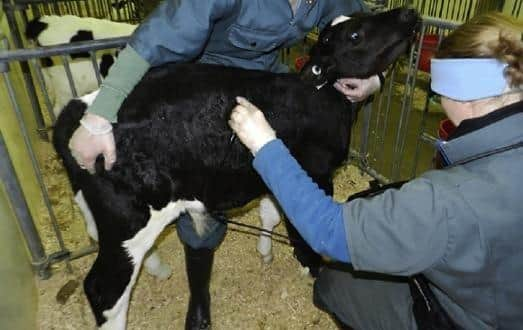

God, like the vet, has given us a diagnosis, and that diagnosis is sin. In Romans 3:23, the Apostle Paul writes that “...all have sinned and fall short of the glory of God.” This is a universal disease and its root cause is the impact of our rebellion against our Maker. We might wonder how what we do as humans has anything to do with the rest of the world and its creatures?
Paul explains that “…the whole creation has been groaning together…” and that “creation itself will be set free from its bondage to corruption and obtain the freedom of the glory of the children of God” (Romans 8: 21-22). What that means is that everything is impacted by human sin and, only at the end of time, Jesus will make all creation right. A sobering thought!
The prognosis of sin, is horrific: ‘death’. Not only the physical cessation of physical life here, but separation from God forever! The vet often offers a cure and writes a prescription, but the prescription of a medication is useless if ignored, or left on a shelf. Its benefit involves application, taking the tablets, or giving the injections, and following the guidance given by the vet.
When we talk of sin, the only prescription that works is that prescribed by our Maker. It is a cure that God has given, and that is His son, Jesus. God gave Him to suffer and die – to break the curse of sin. And the prescription is clear: ‘repent’ - that is, in sorrow, turning away from our sin, or our rebellion, and ‘believe’ – that is to fully accept by faith Jesus’ perfect gift of forgiveness and eternal hope in heaven.
The cure is a renewed relationship with God that will never end. Like every prescription, help is only received through action and by receiving and following the prescriber’s solution. It is my prayer that we will consult our Maker and follow His prescription for true wholeness and eternal life.
Ian was brought up on a dairy farm near Limavady. He was a minister in Ballyroney and Drumlee congregations in south Down, and latterly Moneydig Presbyterian in County Londonderry. Due to a serious cancer diagnosis, Ian has had to retire from active ministry and now provides counselling and support to others with cancer.
If you would like to talk to someone about any of the issues raised in this article, please email Rev Kenny Hanna, PCI’s Rural Chaplain at [email protected] or call him on 07938 488 372.