
HSENI highlights lung health risks for farmers – don’t ignore signs of occupational lung disease
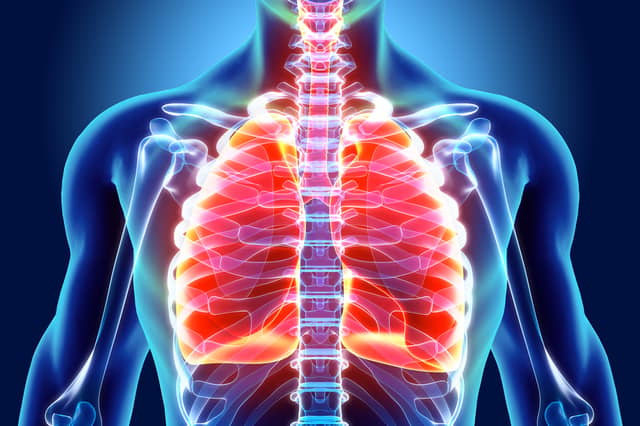

Farmers are being urged not to ignore early signs of respiratory illness as inspections across Northern Ireland continue to focus on dust exposure in agriculture and food production.
Dr Bryan Monson, Deputy Chief Executive of HSENI, said one in five people in Northern Ireland will experience a lung condition in their lifetime and agricultural workers are at a higher risk than most due to the nature of their work.
“Farmers should treat their lung health with the same seriousness as machinery safety, livestock handling or any other safety risk on the farm,” he said.
“We rely on our lungs every minute of every day. Repeated exposure to agricultural dust may not cause immediate harm, but over time it can lead to life-changing illness. The simple steps farmers take now can protect their health and their livelihoods for years to come.”
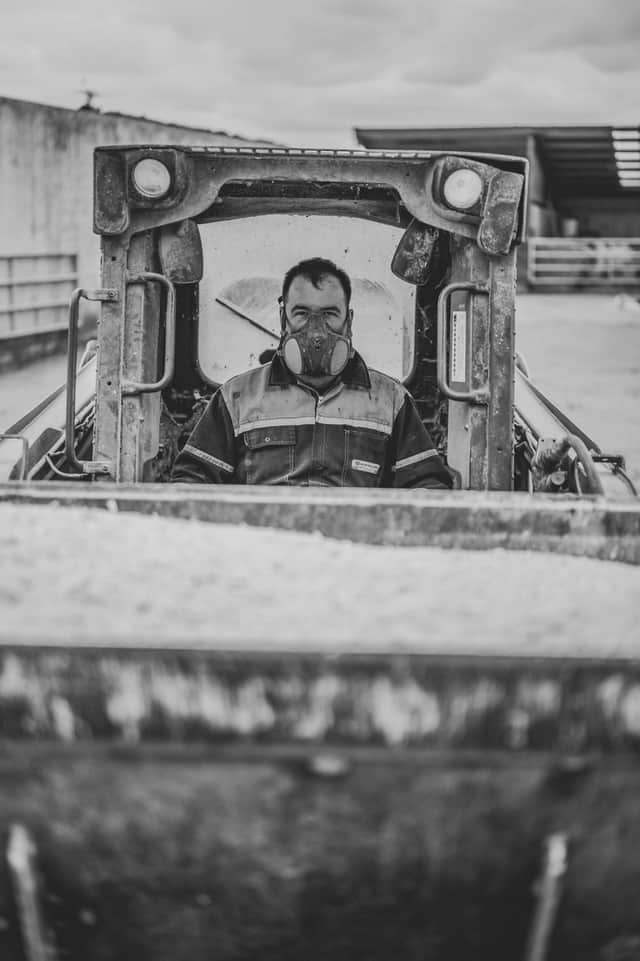
Everyday tasks, long-term consequences
The problem often goes unseen with everyday farm activities such as handling grain and straw, mixing feed, bedding livestock and cleaning sheds, exposing farmers to potentially dangerous levels of dust, bacteria, fungi and chemical residues,. These are all known contributors to asthma, chronic bronchitis and farmer’s lung.
Because symptoms often develop gradually — breathlessness, chest tightness or a persistent cough — many workers dismiss them as part of the job.
HSENI is encouraging anyone experiencing ongoing respiratory symptoms to seek medical advice, as intervention at an early stage can prevent permanent damage.
Inspections ongoing across the agri-food sector
HSENI inspectors have been visiting farms and food production premises as part of a wider Workplace Health Campaign. Respiratory health has been a central theme, alongside risks from prolonged sun exposure, heavy manual tasks and work-related stress.
During visits, food production employers have been reminded of their legal responsibilities under the COSHH (NI) 2003 Regulations to assess and control exposure to hazardous substances such as grain dust and chemicals.
Inspections at farms and food production premises will be ongoing throughout the coming months.
Practical controls make a difference
HSENI is working in partnership with the Farm Safety Partnership and the Northern Ireland Agri-Rural Health Forum to reinforce practical prevention measures.
Dr Monson stressed that effective control does not necessarily require major investment.
“In many cases, the most effective measures are straightforward and low-cost,” he said.
“Good ventilation, reducing dust at source, and wearing suitable respiratory protective equipment properly can significantly cut exposure.”
Simple steps to reduce the risk
One of the key messages is that dust‑related illnesses are preventable with the right controls in place and very often the simplest precautions are the most effective.
The following steps will all significantly reduce the level of risk:
· Providing adequate ventilation in sheds and workplaces;
· Using wet cleaning methods instead of dry sweeping;
· Working with less dusty materials such as pelleted feeds instead of powders;
· Working gently when manually bedding or feeding stock;
· Keeping work areas and vehicle cabs clean to minimize residual dust levels;
· Keeping vehicle cab doors and windows closed;
· Maintaining vehicle cab filters;
· Working upwind of dust clouds during field operations; and
· Using the correct and properly worn respiratory protective equipment (face mask)
Awareness campaign launched at Balmoral
The respiratory health drive was formally launched at the Balmoral Show last year in partnership with Farm Safety Partnership and the Agri-Rural Health Forum.
There were live demonstrations showing how easily dust becomes airborne and how lung function testing (spirometry) is used to detect disease.
Medical professionals and lung health specialists were available on site to provide advice and health checks and further outreach events were delivered during the year through the Forum.
“Farming is physically demanding and farmers are resilient by nature,” said Dr Monson.
“But resilience shouldn’t mean ignoring warning signs. Protecting their lung health today helps ensure farmers can continue doing the job they love tomorrow,” he said.