
The UK has blinked in US deal, despite pledges this wouldn’t happen
This week’s Balmoral Show was an agricultural show straight out of central casting.
The weather was perfect; farmers had time to be there and to enjoy chatting with other farmers, because field work is well on track and for now there is no panic the weather is about to change.
People dared to say some rain was needed, while well aware that once it starts it has a habit of not stopping until the end of summer. Add in good beef and dairy prices and this was a perfect event.
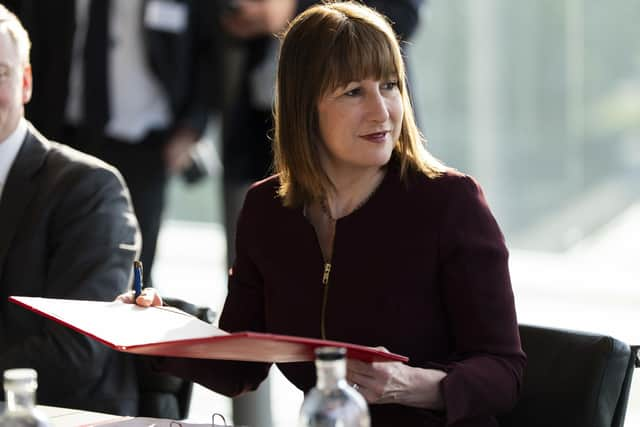
The only blemish in conversations was the vexed issue of inheritance tax and the unfair and wrong-headed decision by the Chancellor Rachel Reeves on agricultural property relief. Now, over trade with the United States, Reeves assurances on food standards have been found to be less than firm. The UK trade deal, of sorts, with the US was what the government needed after tough results from the English local elections.

In reality the deal is very small beer indeed. It leaves the UK worse off than before, with a 10 per cent Trump tariff for most products; it is a far from a free trade deal and one-sided as the UK has imposed no new tariffs on the US.
This left the US boasting it had a win:win deal with better access to the UK and a boost from UK businesses having to pay the 10 per cent tariff. One tabloid paper highlighted winners and losers – and the big losers were beef farmers.
The UK blinked over the deal, despite Reeves saying this would not happen. Few farmers believed her, based on her track record on inheritance tax, and they were right to be sceptical.
The US has, as a starter, limited tariff free access for beef not treated with hormone growth promoters. These have been banned in the EU since the mid 1980s, when the European Commission saw a ban as a useful way to curb beef production when beef mountains were an embarrassment. This was never about science, but growth promoters became a totemic issue, leading to bans on products like BST and GM crops.
Allowing in US beef was the win the US needed to placate farmers and as the UK tries to get a bigger trade deal that pressure will continue. Any suspicion around US beef will pose risks for UK trade in Europe.
It is scientifically difficult to certify beef free of hormone growth promoters. This concession could come back to haunt the UK negotiators that blinked, as government desperation for a deal with Washington intensified. Around the world many countries are now conditioned to deals that leave Trump’s 10 per cent base tariff intact, with no retaliation. What is certain is that the EU will not crumble over food imports, particularly beef.
After close to two decades the EU has yet to ratify the Mercosur trade deal with South America, because of potential damage to European beef. That is what being tough about protecting food standards really means. Despite the publicity oxygen of a limited trade deal with the US the government knows its real economic interests lie in Europe.
This is the UK's biggest market, not least for food. Despite the move to the right in some EU member states Keir Starmer feels more political affinity with Europe, not least over Ukraine and European, as opposed to American, peace plans. The coming week or so will see the focus shift from Washington to what has been dubbed “the great reset” in relations between London and Brussels. This is not about reversing Brexit, but ironing out the many trade problems that remain. The aim is to ease problems around trade without the UK having to enter a customs union or join the European Economic Area with Norway and Switzerland. The talk will be of sensible compromise between strong allies. Watch too for some harmonisation of professional qualifications, not least veterinary, and there is likely to be a free movement scheme for young people. Such a deal would bring sensible benefits to agriculture and it might even kick start the government into a more radical and sensible agricultural policy for the UK. Ultimately however, despite a US trade deal that had to be done, this will be about British colours being nailed to the mast to confirm that despite Brexit the EU is our greatest trade partner and trustworthy ally in a relationship built on mutual respect.